
THE FOUNDRY CROP ENCYCLOPEDIA · CUCURBITS · WARM-SEASON CROPS
Squash — Growing Guide & Crop Profile
Squash includes a wide range of warm-season crops, from tender summer zucchini to hard-skinned winter squash that can store for months. Understanding the difference between species, growth habits, harvest stages, and storage requirements is essential because “squash” is not one uniform crop.
Crop identity and major species
Garden squash belongs to the genus Cucurbita in the Cucurbitaceae family. The main cultivated species include:
- Cucurbita pepo: Many zucchini, yellow summer squash, pattypan, acorn squash, and some pumpkins.
- Cucurbita maxima: Hubbard, buttercup, kabocha, and many large winter squash.
- Cucurbita moschata: Butternut and related types; some varieties are valued for heat tolerance and storage.
- Cucurbita argyrosperma: Cushaw and related regional squash.
- Cucurbita ficifolia: Fig-leaf gourd, a distinct perennial or long-lived crop in frost-free climates.
Squash are warm-season annual vines or bush plants, depending on species and cultivar. They are grown for immature fruit (summer squash), mature fruit (winter squash and pumpkins), and in some food traditions for blossoms, leaves, or seeds.
Summer squash versus winter squash
- Summer squash: Harvested immature while rind and seeds are tender. Examples include zucchini, yellow crookneck, straightneck, and pattypan.
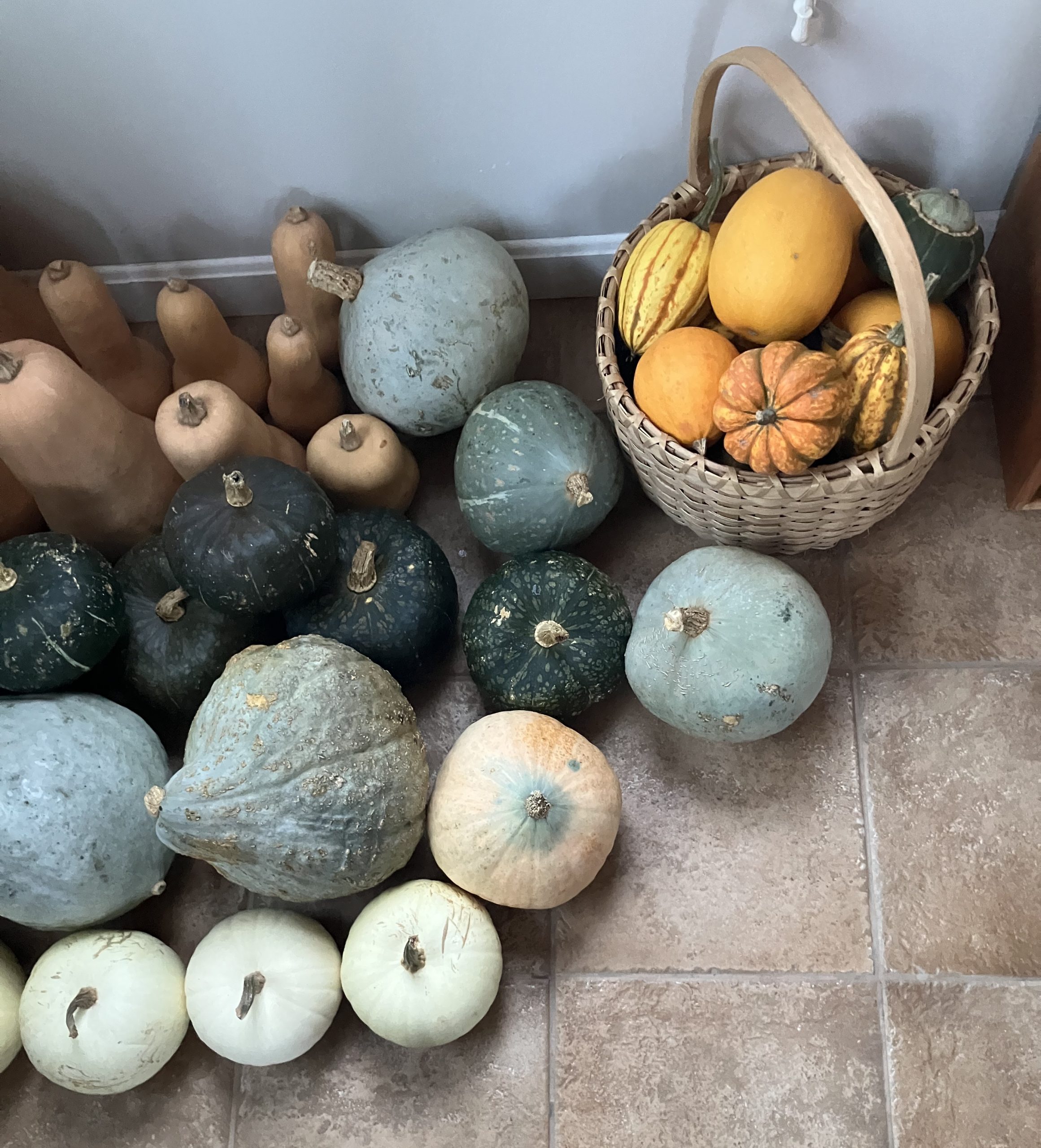
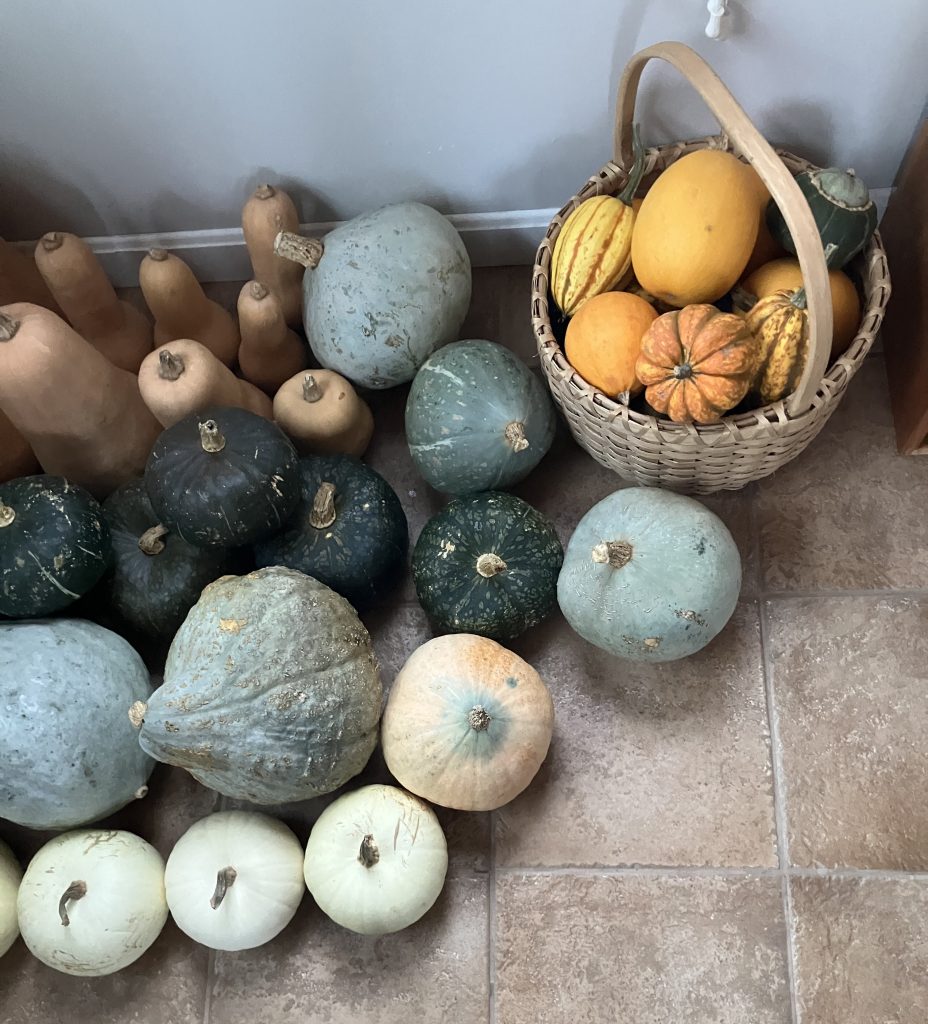
- Winter squash: Allowed to mature fully, developing a hard rind and mature seeds. Examples include butternut, acorn, hubbard, kabocha, and buttercup.
The terms “summer” and “winter” describe harvest and storage use, not the season in which the plants grow. Both are warm-season crops. Variety selection should account for vine length, days to maturity, fruit size, intended harvest stage, storage life, and local disease pressure.
Climate, light, and soil
- Temperature: Frost-sensitive. Sow after frost danger has passed and soil has warmed, often to at least about 60°F (16°C).
- Light: Full sun is preferred.
- Soil: Fertile, well-drained soil with organic matter. Vining varieties need substantial rooting space.
- Water: Deep, consistent moisture is important during flowering and fruit enlargement. Avoid wet foliage where possible.
- Space: Vines can spread widely; bush cultivars are more compact but still need room and airflow.
Planting and establishment
Squash is usually direct-sown after the soil has warmed. In short-season climates, start seed indoors in individual pots only a few weeks before transplanting, because older root-bound seedlings can stall. Squash roots are sensitive to disturbance, so transplant carefully.
- Prepare a sunny site with fertile, well-drained soil.
- Wait until frost danger has passed and soil is warm before sowing outdoors.
- Sow at the depth and spacing specified for the variety; seed packets often recommend planting in hills or stations.
- Thin to the strongest seedlings rather than allowing crowded plants to compete.
- Install supports or plan vine direction before plants spread.
- Use row cover early for pest exclusion if needed, but remove it when flowers require pollinator access unless using a suitable hand-pollination plan.
Pollination and fruit development
Most squash produce separate male and female flowers on the same plant. Bees and other pollinators transfer pollen. Female flowers have a small immature fruit behind the petals; poorly pollinated fruit may shrivel or abort. Preserve pollinator habitat and avoid insecticide applications during bloom. Hand pollination can help in covered gardens or when pollinator activity is low, but it is not normally required where healthy pollinator populations are present.
Water, fertility, and maintenance
Squash grows rapidly and needs steady moisture, particularly once fruit begins developing. Water at the soil surface and mulch after the soil warms. Avoid excessive nitrogen, which can encourage sprawling foliage at the expense of fruit. Use soil tests to guide fertility. Direct vines away from paths and neighboring crops, and remove damaged fruit and diseased leaves when appropriate.
Pests and diseases
Important pests include squash bugs, squash vine borers, cucumber beetles, and aphids. Common diseases include powdery mildew, downy mildew, bacterial wilt, and viruses. Monitor plants early and often, especially stems near the soil line and leaf undersides. Rotate cucurbits where practical, use resistant cultivars, remove crop debris, and choose pest controls based on correct identification. Row covers can protect young plants but must be managed for pollination.
Harvest and storage
Summer squash
Harvest zucchini and other summer squash frequently while fruit is young and tender, following the variety’s recommended size. Use a knife or pruners to avoid damaging the plant. Regular picking keeps fruit from becoming oversized and can encourage continued production. Refrigerate and use promptly; summer squash is not a long-term storage crop.
Winter squash
Allow winter squash to mature on the vine. Signs include a hard rind that resists fingernail pressure, mature color, and a drying or corking stem, although indicators differ by species and cultivar. Harvest before hard frost, leaving a useful length of stem attached and avoiding cuts or bruises. Cure only varieties for which curing is recommended; curing conditions and duration differ among squash types. Store sound fruit in a cool, dry, ventilated location appropriate to the variety and inspect regularly.
Growing in different spaces
Acreage and larger gardens
Vining winter squash needs substantial area, but can be directed along field edges or designated beds. Plan for irrigation, pollinator access, pest scouting, and enough season length for full maturity. Choose storage varieties with maturity dates that fit the local frost-free period.
Suburban beds
Bush zucchini and compact summer squash are often the most practical choices. Even bush types occupy significant space, so place them where leaves will not smother smaller crops. A trellis can be used for some small-fruited vining varieties if the support is strong and fruit is secured as needed.
Containers and balconies
Choose compact bush cultivars and large containers with drainage. Squash has a substantial root system and high water demand; small pots dry out too quickly. Provide good airflow, support large leaves from wind damage, and check the mature plant dimensions before choosing a variety.
Indoor growing
Full-size squash is generally impractical indoors because of its space, light, pollination, and root-volume requirements. Microgreens or other compact crops are better suited to indoor food production.
Regional adaptation: match the crop to your conditions
There is no single national planting calendar. Use the crop’s days to maturity, local average frost dates, soil temperature, day length, seasonal rainfall, and expected heat or cold to plan sowing and harvest. Local Cooperative Extension guidance and cultivar-specific seed information should take precedence over broad regional rules.
- Northern and short-season climates: Favor appropriately early cultivars, start transplants when suitable for the crop, use succession planning carefully, and protect vulnerable plants from late spring or early fall cold.
- Temperate climates: Use spring and fall planting windows where the crop tolerates cool weather; stagger sowings when this extends harvest without exposing plants to unsuitable heat or cold.
- Hot and humid climates: Account for heat stress, high nighttime temperatures, humidity-related disease, and intense pest pressure. Favor locally proven cultivars, airflow, soil-level irrigation, and seasonal timing that avoids the harshest conditions.
- Hot and dry climates: Plan around water availability, rapid soil drying, high evaporative demand, and heat. Mulch, efficient irrigation, afternoon shade where appropriate, and locally adapted cultivars can improve reliability.
- Mediterranean climates: Mild wet seasons and dry summers may create different planting windows than continental climates. Time establishment around dependable moisture and avoid assuming summer conditions suit every crop.
- High-elevation sites: Treat elevation as a separate factor from latitude. Cold nights, shorter frost-free periods, intense sunlight, wind, slow spring soil warming, slope, and aspect can all affect performance; nearby lowland calendars may not apply.
- Subtropical and tropical climates: Heat, humidity, rainfall patterns, and sometimes day length can shift the best season. In some locations, a crop’s productive window may be the cooler or drier season rather than the local summer.
Before planting, compare the forecast and soil conditions with the crop’s actual requirements. Use frost dates as planning estimates, not guarantees, and adjust for your garden’s microclimate, drainage, exposure, and available protection.
Crop record at a glance
| Crop group | Warm-season cucurbit |
|---|---|
| Scientific genus | Cucurbita (several cultivated species) |
| Planting method | Usually direct sow after soil warms |
| Typical maturity | Summer types often 45–60 days; winter types often 80–120 days; cultivar dependent |
| Sun | Full sun |
| Pollination | Usually insect-pollinated; separate male and female flowers |
| Container suitability | Best with compact bush varieties and very large containers |
| Storage | Summer squash short-lived; mature winter squash may store for months if properly cured and stored |
Sources and further reading
- University of Minnesota Extension: Growing Summer Squash and Zucchini — planting, care, and harvest.
- University of Minnesota Extension: Growing Winter Squash and Pumpkins — maturity, harvest, and storage.
- Utah State University Extension: Squash in the Garden — regional crop management.
- Colorado State University Extension: Colorado Vegetable Guide — Colorado growing conditions.
Editorial status: Foundational crop profile. “Squash” covers multiple species and distinct summer and winter harvest systems; variety-specific recommendations take precedence.