
THE FOUNDRY CROP ENCYCLOPEDIA · ROOTS & TUBERS
Potato
A cool-season tuber crop grown for its edible underground stems. Potatoes can be produced in field plots, backyard beds, and large containers, provided drainage, hilling, water, and disease management are handled well.
Identity
- Scientific name: Solanum tuberosum
- Family: Solanaceae
- Crop group: Tuber-forming vegetable
- Life cycle: Tender perennial, commonly cultivated as an annual
- Edible portion: Underground stem tubers
- Propagation: Certified seed tubers or properly prepared seed pieces; botanical seed is used in some breeding and production systems.
Climate and site
Potatoes perform best in cool to moderate conditions. They are frost-sensitive above ground, while tuber development is reduced by sustained high soil temperatures. Choose a sunny site with loose, well-drained soil. Compacted or waterlogged soil restricts tuber development and increases the risk of rot. Use a soil test to guide pH and nutrient management.
Seed potatoes and planting
Use certified disease-free seed potatoes from a reputable supplier rather than supermarket potatoes, which may be treated to inhibit sprouting and may carry disease. Cut large seed tubers into pieces only when recommended for the variety and local practice; each piece should have viable eyes. Allow cut surfaces to dry and suberize according to Extension guidance before planting.
Plant when soil is workable and has warmed enough for reliable emergence, following local planting calendars. A common home-garden approach is to plant seed pieces roughly 3–4 inches deep and about 10–12 inches apart in rows, but spacing and depth vary with production system and cultivar. Avoid planting into cold, saturated soil.
Care and hilling
Keep moisture reasonably even, especially during tuber initiation and bulking. Avoid waterlogging and severe drought. As stems grow, hill soil or suitable mulch around them to protect developing tubers from light exposure. Exposed tubers can turn green and develop elevated glycoalkaloids; green portions should not be eaten. Hilling also helps keep tubers covered as the plant grows.
Do not overapply nitrogen: excessive leafy growth can delay tuber development. Use soil-test results and local recommendations for fertilizer rates. Rotate potatoes away from other nightshades such as tomatoes, peppers, and eggplants to reduce shared pest and disease pressure.
Pests and diseases
Important problems include late blight, early blight, scab, blackleg, Colorado potato beetle, aphids, and wireworms; which occur depends on region. Start with certified seed, rotate crops, avoid wet foliage where possible, inspect plants, and remove diseased material appropriately. Use local Extension diagnostics before choosing a treatment.
Harvest, curing, and storage
Small new potatoes can be harvested after plants flower, taking care not to damage remaining tubers. For a main storage crop, wait until vines naturally die back or follow local recommendations, then allow skins to mature before digging. Handle gently and cure in a dark, humid, well-ventilated location for the period recommended by a reliable regional source. Store mature potatoes in cool, dark, ventilated conditions; avoid light and do not store them with produce that accelerates sprouting. Storage temperature depends on intended use because very cold storage can affect cooking quality.
Growing in different spaces
Acreage and field plots
Choose cultivars for local disease pressure, maturity, intended use, and storage. Plan rotation, hilling equipment or labor, irrigation, and a harvest method that avoids bruising. Store only sound, mature tubers after proper curing.
Backyard beds
Use loose soil, rows or blocks with access for hilling, and a crop rotation plan. A modest planting can supply fresh potatoes without requiring a large plot.
Containers and grow bags
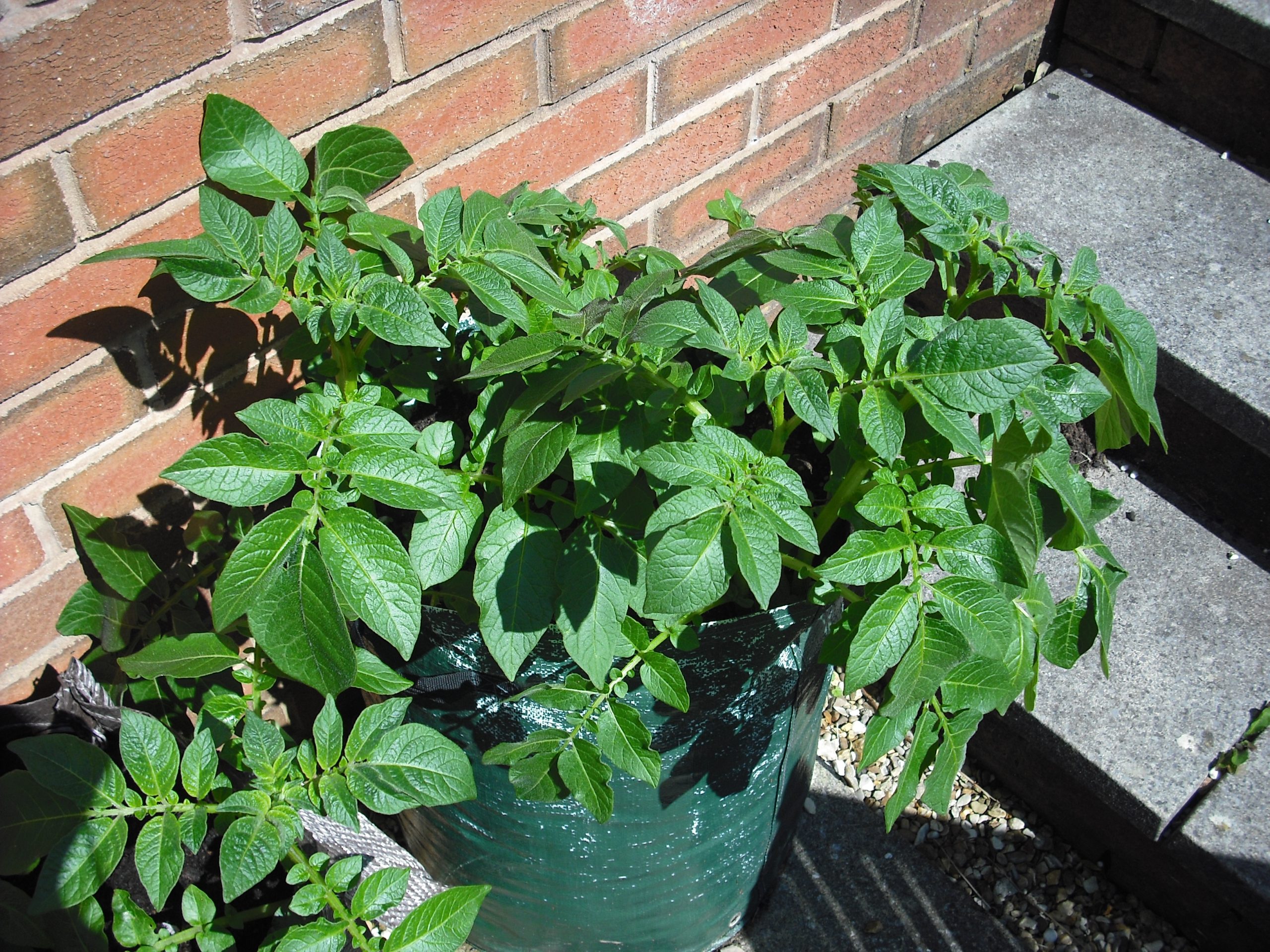
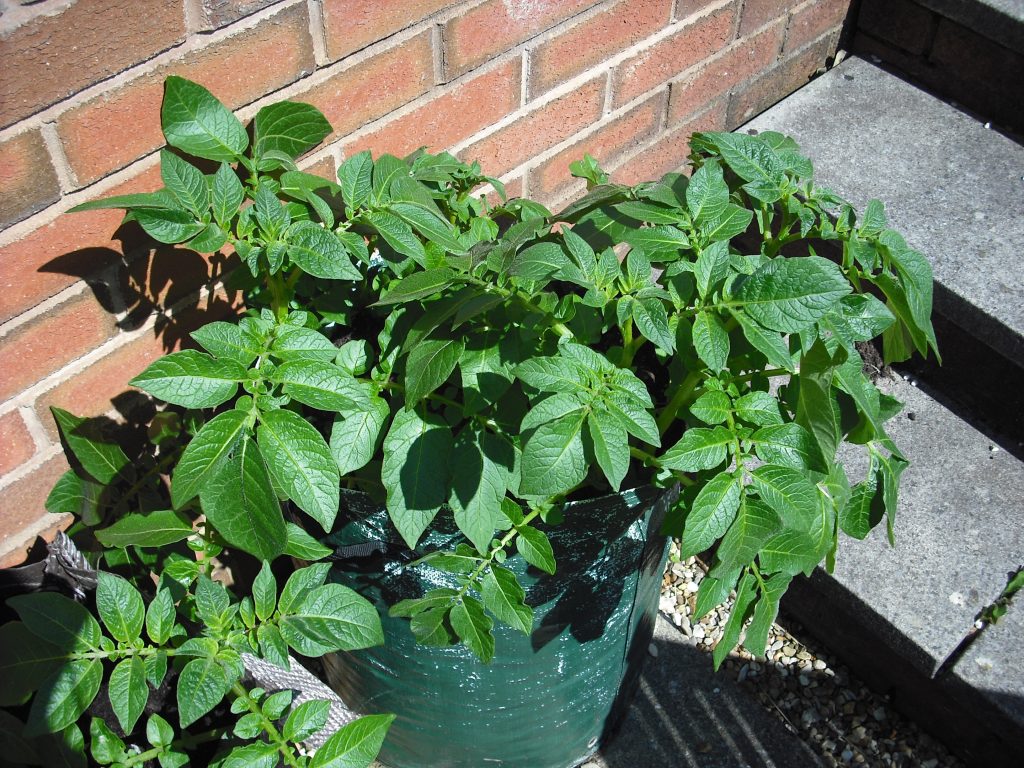
Use a large, food-safe container with drainage and adequate depth. Add growing medium around stems as they grow, while keeping foliage exposed. Containers dry more quickly than garden soil and may need more frequent moisture checks. Yields vary widely; do not assume a bag guarantees a particular harvest.
Regional adaptation: match the crop to your conditions
There is no single national planting calendar. Use this crop’s days to maturity, local average frost dates, soil temperature, day length, seasonal rainfall, and expected heat or cold to plan sowing and harvest. Local Cooperative Extension guidance and cultivar-specific seed information should take precedence over broad regional rules.
- Northern and short-season climates: Select cultivars suited to the available frost-free window and plan around late spring and early fall cold.
- Temperate climates: Use spring and fall planting opportunities where the crop’s temperature preferences allow, and stagger plantings if useful.
- Hot and humid climates: Account for heat, high nighttime temperatures, humidity-related disease, and pest pressure; adjust planting windows to avoid the harshest weather.
- Hot and dry climates: Plan for high evaporative demand and water availability; use mulch and efficient irrigation where appropriate.
- Mediterranean climates: Align planting with mild, wetter periods where suitable and account for dry summers or cool coastal conditions.
- High-elevation sites: Treat elevation separately from latitude. Cold nights, shorter frost-free periods, wind, intense sun, and slow soil warming can make nearby lowland calendars unreliable.
- Subtropical and tropical climates: Heat, humidity, rainfall cycles, and day length can shift the best growing window, which may be the cooler or drier season.
Use frost dates as estimates, not guarantees. Check actual soil and forecast conditions and account for the garden’s microclimate, drainage, exposure, and available protection.
/- University of Minnesota Extension: Growing Potatoes.
- Oregon State University Extension: Growing Potatoes in the Home Garden.
- Colorado State University Extension: Potatoes.
Editorial status: Foundational crop profile. Exact planting windows, spacing, disease risks, curing, and storage conditions require regional and cultivar-specific guidance.