
THE FOUNDRY CROP ENCYCLOPEDIA · NIGHTSHADES · WARM-SEASON CROPS
Peppers — Growing Guide & Crop Profile
Peppers range from sweet bell types to intensely hot chiles. They are warm-season crops that reward a long, steady growing period, fertile well-drained soil, and consistent moisture. With compact varieties and a sufficiently large pot, peppers can also be productive container plants.
Crop identity
- Scientific names: Most common garden sweet and hot peppers belong to Capsicum annuum; other cultivated species include C. chinense, C. baccatum, C. frutescens, and C. pubescens.
- Family: Solanaceae (nightshade family)
- Crop type: Warm-season fruiting vegetable; botanically a fruit
- Life cycle: Usually grown as an annual; some species are perennial in frost-free climates
- Edible portion: Fruit, fresh or dried; seeds and membranes contribute much of the heat in many hot varieties
- Propagation: Seed; transplants are common in short-season regions
Types and choosing varieties
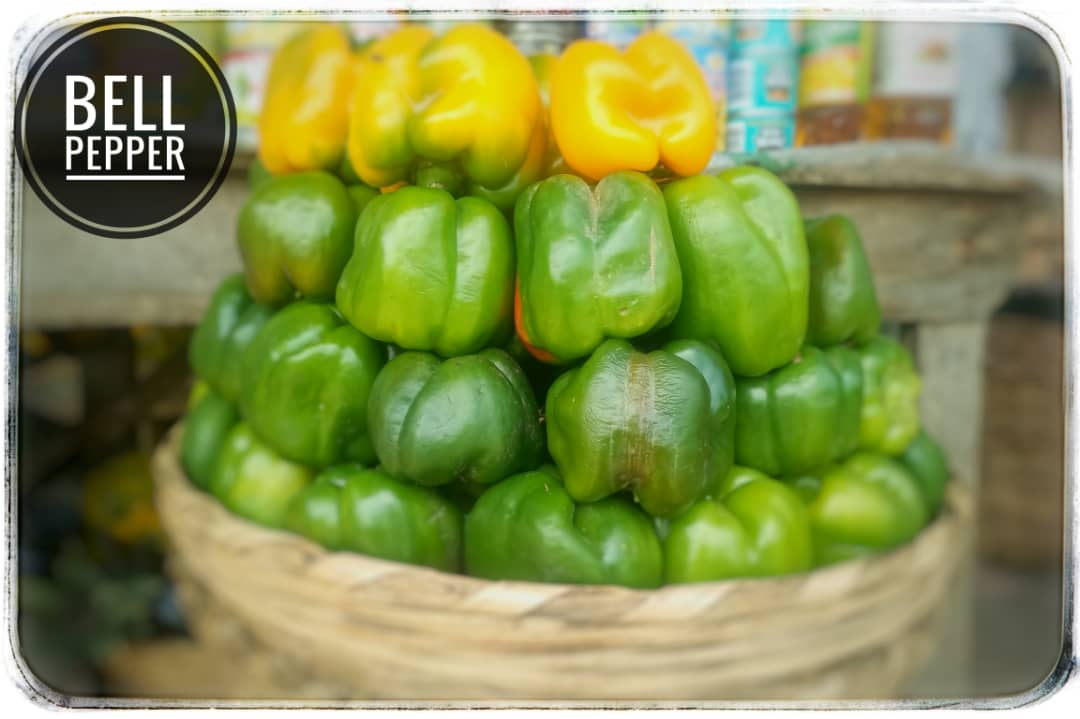
- Bell peppers: Thick-walled, mild fruit, usually harvested green or allowed to mature to red, yellow, orange, or other colors.
- Sweet frying and roasting peppers: Often elongated, with thinner or medium-thick walls and a sweet flavor.
- Jalapeño, serrano, cayenne, and other chiles: Hotness, fruit size, wall thickness, and best uses vary widely.
- Specialty species: Habanero and Scotch bonnet types, aji peppers, and rocoto peppers have distinct heat, climate, and growth characteristics.
- Compact/container cultivars: Select plants with manageable mature size and a suitable harvest window.
Choose cultivars by days to maturity, local season length, disease resistance, heat level, intended use, and whether the fruit is best green or fully ripe. Days to maturity may be counted from transplanting rather than sowing; check the seed packet carefully.
Climate, light, and soil
- Temperature: Peppers are frost-sensitive and prefer warm soil. Growth is often slow below about 60°F (16°C); fruit set can be impaired by sustained very hot days or warm nights. Cultivars differ.
- Light: Full sun, ideally at least 6–8 hours of direct light.
- Soil: Fertile, well-drained soil with organic matter. A slightly acidic to neutral soil is generally suitable.
- Water: Even moisture is important from flowering through fruit development. Avoid repeated severe wilting and saturation.
- Wind: Plants with heavy fruit loads may benefit from a small stake or cage.
Starting seed and planting
In short-season climates, start pepper seed indoors well before the outdoor planting window. Peppers are slower to germinate and grow than tomatoes. Warm germination conditions, clean seed-starting mix, adequate light after emergence, and careful watering help produce sturdy transplants. Harden plants off gradually before moving them outdoors.
- Start seed in clean containers using a fine, well-drained seed-starting medium.
- Maintain warm, consistent conditions for germination; use a thermostatically controlled heat mat if needed.
- Provide strong light as soon as seedlings emerge to prevent stretching.
- Pot up when roots fill the starter cell, handling stems and roots gently.
- Harden off over about a week, increasing outdoor exposure gradually.
- Transplant only after frost danger has passed and soil and nights are reliably warm.
Spacing depends on cultivar size and production system. Many garden varieties are planted roughly 18–24 inches apart, with wider spacing for large plants. Follow the cultivar recommendation and allow airflow and harvest access.
Fertility and ongoing care
Use a soil test to guide amendments. Incorporate mature compost where appropriate, but avoid excessive nitrogen, which can favor leafy growth over fruiting. Mulch after the soil has warmed to conserve moisture and reduce weeds. Water at soil level when possible. If flowers drop during heat or cold stress, correct the growing conditions rather than assuming the plant needs more fertilizer.
Pollination, pests, and disease
Most peppers are self-fertile, and vibration or air movement can move pollen within flowers. Poor fruit set can still occur during temperature extremes, water stress, or low light. Watch for aphids, flea beetles, cutworms, spider mites, and regionally important pests. Diseases include bacterial leaf spot, Phytophthora root or crown rot, and viruses. Use clean transplants, rotate nightshades, avoid waterlogged soil, remove badly affected plants, and select resistant varieties where available.
Harvest and storage
Harvest sweet peppers at the desired size. Green bell peppers are usually less mature than fully colored fruit; allowing color to develop often increases sweetness but requires more time on the plant. Hot peppers may be harvested green or ripe according to variety and use. Cut fruit with pruners or scissors rather than pulling and breaking branches. Refrigerate fresh peppers and process or freeze surplus. Drying is suitable for many thin-walled hot peppers; use tested food-preservation methods.
Growing in different spaces
Acreage and larger gardens
Peppers need a warm, sunny site and a transplant schedule matched to the local frost-free season. Plan irrigation, weed management, and rotation away from tomatoes, potatoes, eggplants, and other nightshades. Larger plantings benefit from consistent cultivar selection and a defined harvest plan.
Suburban beds
A small group of plants can provide a steady supply through summer. Put them in the warmest sunny part of the garden, avoid shading from taller crops, and stake heavy-fruiting varieties if branches bend.
Containers and balconies
Compact cultivars can grow well in large containers with drainage. A 5-gallon-class pot is a common starting point for one plant, while larger varieties may need more root volume. Container plants dry quickly in heat and wind, so monitor moisture daily during hot weather and use a balanced container fertilizer according to its label.
Indoor growing
Peppers can be grown indoors with strong grow lighting, adequate root volume, warmth, airflow, and attention to pollination. A sunny window alone is often insufficient for dependable fruit production, especially in winter.
Regional adaptation: match the crop to your conditions
There is no single national planting calendar. Use the crop’s days to maturity, local average frost dates, soil temperature, day length, seasonal rainfall, and expected heat or cold to plan sowing and harvest. Local Cooperative Extension guidance and cultivar-specific seed information should take precedence over broad regional rules.
- Northern and short-season climates: Favor appropriately early cultivars, start transplants when suitable for the crop, use succession planning carefully, and protect vulnerable plants from late spring or early fall cold.
- Temperate climates: Use spring and fall planting windows where the crop tolerates cool weather; stagger sowings when this extends harvest without exposing plants to unsuitable heat or cold.
- Hot and humid climates: Account for heat stress, high nighttime temperatures, humidity-related disease, and intense pest pressure. Favor locally proven cultivars, airflow, soil-level irrigation, and seasonal timing that avoids the harshest conditions.
- Hot and dry climates: Plan around water availability, rapid soil drying, high evaporative demand, and heat. Mulch, efficient irrigation, afternoon shade where appropriate, and locally adapted cultivars can improve reliability.
- Mediterranean climates: Mild wet seasons and dry summers may create different planting windows than continental climates. Time establishment around dependable moisture and avoid assuming summer conditions suit every crop.
- High-elevation sites: Treat elevation as a separate factor from latitude. Cold nights, shorter frost-free periods, intense sunlight, wind, slow spring soil warming, slope, and aspect can all affect performance; nearby lowland calendars may not apply.
- Subtropical and tropical climates: Heat, humidity, rainfall patterns, and sometimes day length can shift the best season. In some locations, a crop’s productive window may be the cooler or drier season rather than the local summer.
Before planting, compare the forecast and soil conditions with the crop’s actual requirements. Use frost dates as planning estimates, not guarantees, and adjust for your garden’s microclimate, drainage, exposure, and available protection.
Crop record at a glance
| Crop group | Warm-season nightshade |
|---|---|
| Primary species | Capsicum annuum; several other cultivated Capsicum species |
| Planting method | Usually indoor seed-starting followed by transplanting in short-season climates |
| Typical maturity | Often 60–90 days from transplanting, cultivar dependent |
| Sun | Full sun |
| Container suitability | Good with compact cultivars and adequately sized pots |
| Harvest | Green or fully ripe fruit, depending on variety and use |
Sources and further reading
- University of Minnesota Extension: Growing Peppers — seed starting, transplanting, care, and harvest.
- Utah State University Extension: Peppers in the Garden — regional growing and management.
- Colorado State University Extension: Colorado Vegetable Guide — vegetable production in Colorado conditions.
Editorial status: Foundational crop profile. Species, cultivar, and local climate strongly affect heat tolerance, season length, fruit set, and harvest timing.