
THE FOUNDRY CROP ENCYCLOPEDIA · MALVACEAE · HEAT-LOVING POD VEGETABLE
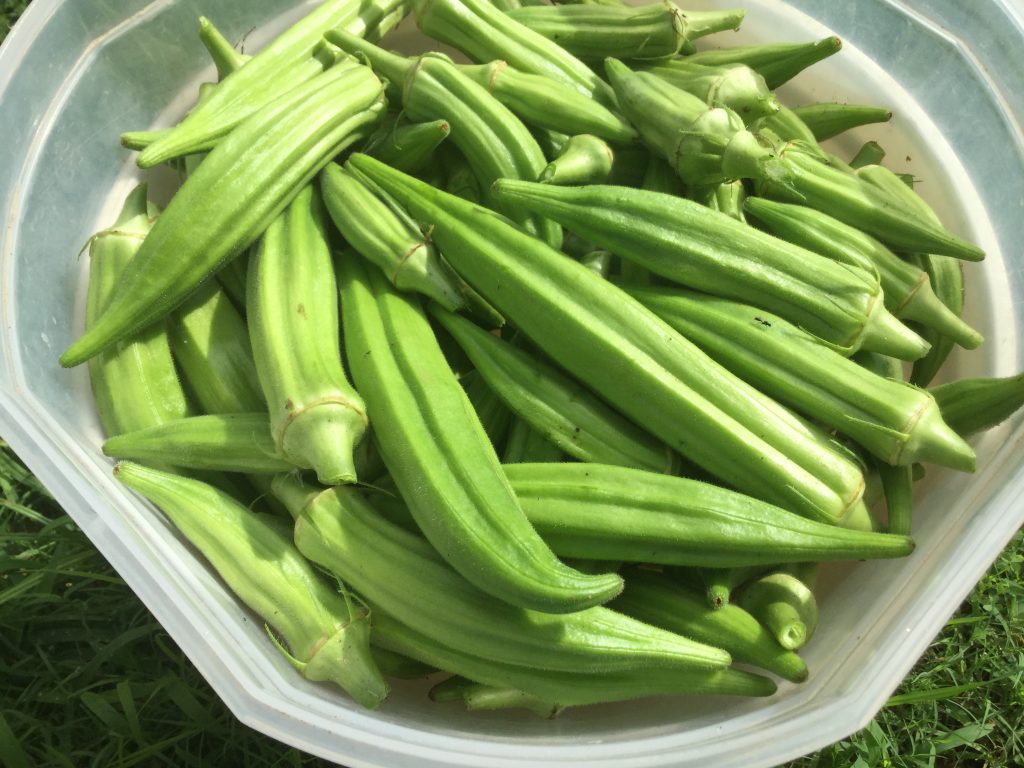
Okra
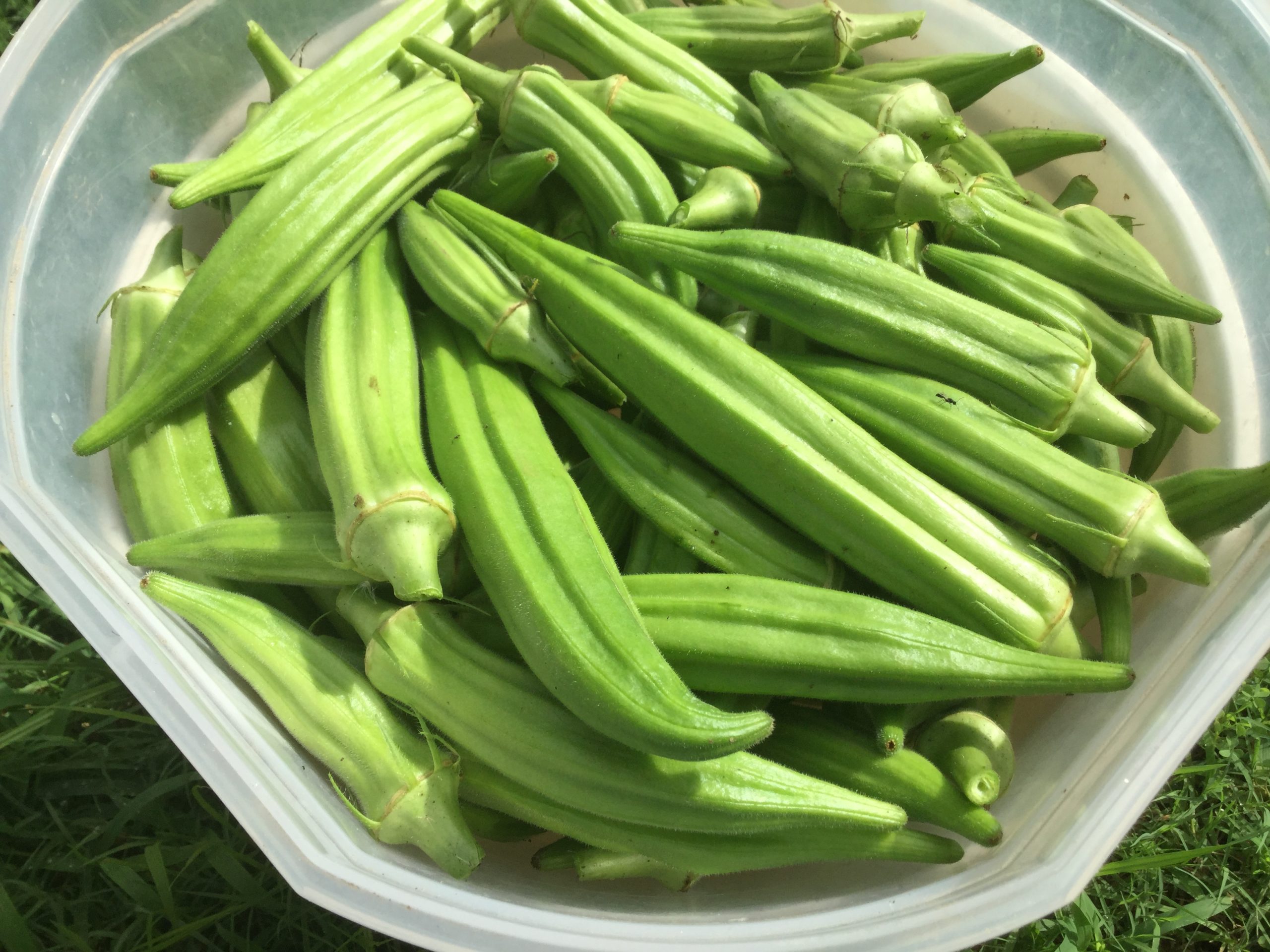
Okra is a warm-season crop valued for its tender edible pods and remarkable tolerance of summer heat. It is a member of the mallow family, not a bean, and it thrives when soil and nights are warm. Harvest timing is the key to quality: pods grow quickly after flowering and become fibrous if left on the plant too long.
Crop identity
- Scientific name: Abelmoschus esculentus.
- Family: Malvaceae.
- Crop type: Warm-season fruit/pod vegetable.
- Life cycle: Tender perennial in frost-free climates; usually grown as an annual.
- Edible portion: Immature seed pods; leaves are eaten in some food traditions.
- Propagation: Seed, usually direct-sown after soil warms.
Types and variety selection
Varieties differ in plant height, branching, pod color, pod length, spininess, and maturity. Compact cultivars can suit smaller gardens and containers; vigorous types may become tall shrubs and need more space. Green pods are common, but red and burgundy types are also grown. Select varieties with a maturity period that fits the local warm season, and consider pod tenderness and ease of harvest as well as appearance.
Climate, light, and soil
Okra needs full sun, warm soil, and warm nights. Cold soil causes slow, uneven germination and weak early growth. Wait until frost danger has passed and the seedbed has warmed; Extension recommendations commonly use a soil temperature around 70°F (21°C) or higher as a practical threshold. Well-drained loam with moderate fertility is suitable. A soil pH around 6.0–7.0 is generally workable. Okra tolerates some dry weather once established, but consistent moisture improves pod production.
Direct sowing and establishment
Direct-sow seed about ¾–1 inch (2–2.5 cm) deep in warm soil. Seeds have a hard coat; soaking overnight in clean water can help some lots imbibe moisture, but do not leave them submerged for extended periods. Sow a few inches apart, then thin to roughly 12–24 inches (30–60 cm) between plants depending on cultivar size and local recommendations. Rows often need 3 feet (about 90 cm) or more for access and airflow. In short-season regions, start seed in individual pots several weeks before transplanting and handle roots carefully.
Care and maintenance
Keep the bed weed-free while plants are small. Water deeply during dry periods, especially when flowering and pods are developing. Mulch can reduce moisture loss and weed pressure once soil is warm. Avoid excessive nitrogen, which can encourage leafy growth at the expense of pods. Tall varieties may need support in exposed sites. Wear gloves and long sleeves when harvesting if the cultivar has irritating leaf or pod hairs, and use a sharp knife or pruners because stems can be tough.
Harvesting and storage
Begin checking plants as soon as flowers fade. Pods can reach harvest size within only a few days, depending on temperature and variety. Pick while pods are young, tender, and still easy to cut; common eating size is often around 2–4 inches (5–10 cm), but cultivar and intended use matter. Harvest every one to two days during peak production. Leaving oversized pods on the plant can reduce continued flowering and yield. Refrigerate dry pods and use promptly; okra is also suitable for freezing after blanching, drying, and pickling using tested recipes.
Pests and diseases
Common pests include aphids, stink bugs, flea beetles, corn earworms, and root-knot nematodes in susceptible soils. Diseases may include damping-off, leaf spots, and root rots, particularly in wet conditions. Rotate crops, avoid working among wet plants, use row covers early where appropriate, and remove badly diseased residues. Inspect pods and leaf undersides regularly. Identify pests before choosing a control method and follow all pesticide labels.
Growing in different spaces
Compact okra cultivars can grow in large containers with drainage holes, a warm position, and enough root volume; containers dry quickly in summer and need frequent checks. Standard and tall varieties are better in garden beds. Indoor production is possible only with strong supplemental light and enough room for a large plant; for most homes, outdoor summer cultivation is more practical.
Regional adaptation
- Northern and short-season climates: Use early cultivars, warm the soil before sowing, and consider transplants started in individual pots. A cool summer or early autumn frost may limit production.
- Temperate climates: Sow after the soil is reliably warm. Harvest frequently through the warmest part of summer.
- Hot and humid climates: Okra is well adapted to heat, but humidity and rainfall can increase disease pressure. Maintain spacing and airflow and avoid waterlogged soil.
- Hot and dry climates: Okra tolerates heat, but production improves with deep, regular irrigation and mulch. Avoid severe drought during flowering and pod development.
- Mediterranean climates: Plant after spring soil warming and harvest before autumn nights become too cool. Irrigation is important during dry summers.
- High-elevation sites: Warm-season length, cool nights, and slow soil warming are limiting factors. Use the warmest site, early cultivars, black mulch if appropriate, and protected transplant establishment.
- Subtropical and tropical climates: Okra can be grown across a broad warm season; select locally adapted cultivars and schedule around the wettest periods and local pest cycles.
Soil temperature and night temperatures are better planting cues than a fixed calendar date.
Crop record at a glance
| Scientific name | Abelmoschus esculentus |
|---|---|
| Family | Malvaceae |
| Crop group | Warm-season pod vegetable |
| Propagation | Seed, usually direct-sown |
| Typical spacing | 12–24 in (30–60 cm) between plants, cultivar dependent |
| Harvest indicator | Young, tender pods that cut easily |
| Key requirement | Warm soil, full sun, frequent harvest |
Sources and further reading
- Texas A&M AgriLife Extension: Growing Okra — planting, spacing, care, and harvest.
- Oklahoma State University Extension: Okra Production — soil temperature and establishment details.
- University of Florida IFAS: Okra—Nutritional Value and Production Practices in South Florida — warm-climate production and spacing considerations.
- Utah State University Extension: Okra in the Garden — short-season and temperature guidance.
Editorial status: Foundational crop profile. Pod size, plant spacing, and maturity vary by cultivar. Use soil temperature and local frost information to determine planting windows.