
THE FOUNDRY CROP ENCYCLOPEDIA · FABACEAE · COOL-SEASON DRY PULSE
Lentils
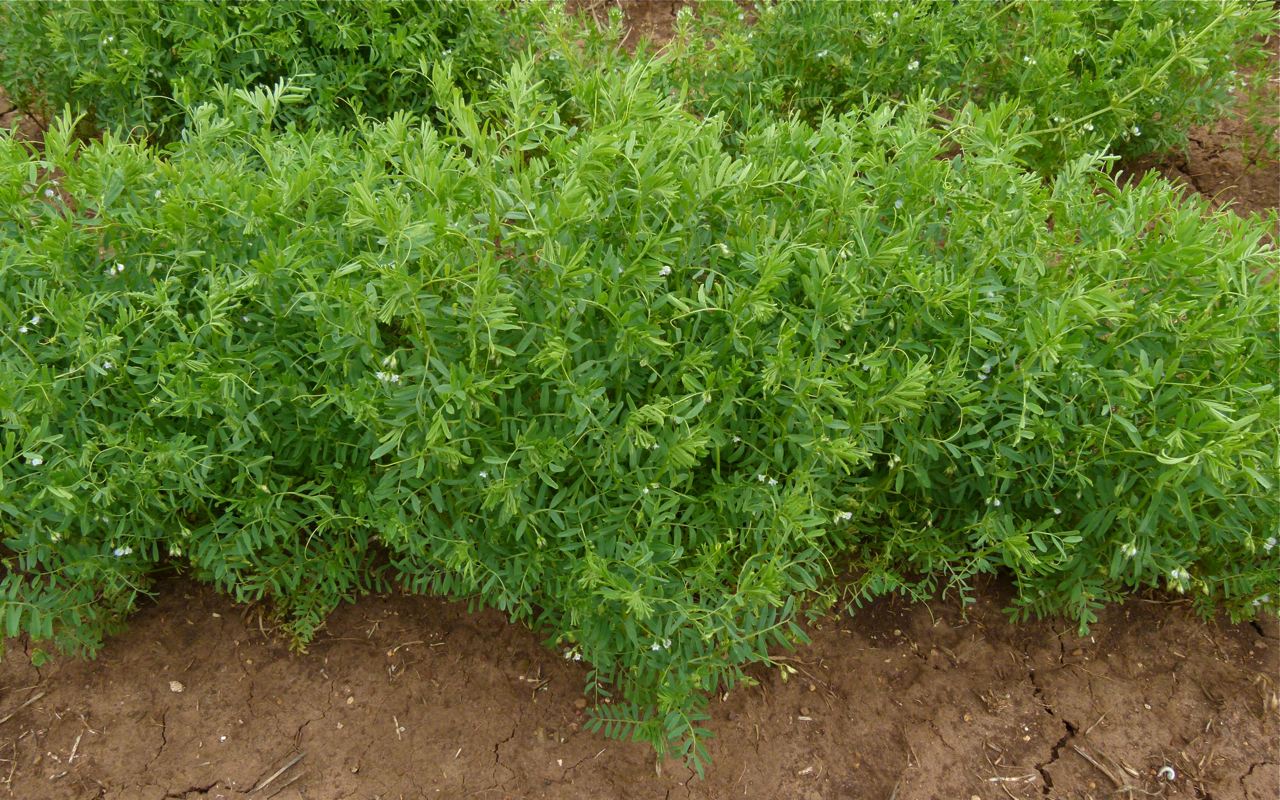
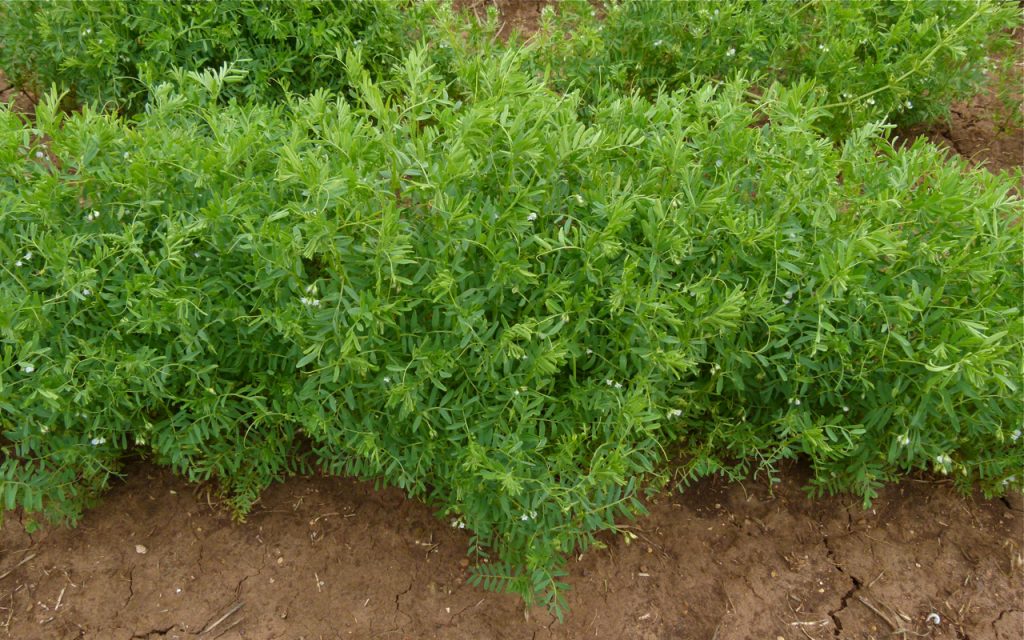
Lentils are cool-season legumes grown primarily for their protein-rich dry seeds. They are a useful food crop and can contribute biologically fixed nitrogen when compatible rhizobia form active root nodules. Lentils are not especially competitive with weeds and can be challenging in humid or poorly drained gardens, but they are worth considering where spring conditions are cool and the crop can mature before prolonged heat or autumn rain.
Crop identity
- Scientific name: Lens culinaris Medik.
- Family: Fabaceae.
- Crop type: Cool-season dry pulse legume.
- Life cycle: Annual.
- Edible portion: Mature dried seeds; immature pods are not the usual food harvest.
- Propagation: Seed, direct-sown in the garden.
Types and variety selection
Climate, light, and soil
Direct sowing and inoculation
Care and maintenance
Harvesting and drying
Pests and diseases
Growing in different spaces
Regional adaptation
- Northern and short-season climates: Early spring sowing is often preferred. Choose adapted early cultivars and plan harvest before prolonged autumn moisture. Young plants can tolerate some frost, but flowering and pod fill need suitable temperatures.
- Temperate climates: Sow in the cool part of the year and aim for dry weather during maturity and harvest. Disease pressure rises where canopies remain wet.
- Hot and humid climates: Lentils are generally difficult where warm, humid weather overlaps flowering and pod fill. Consider a cool-season trial only where a sufficiently long dry window exists.
- Hot and dry climates: Lentils can use limited moisture efficiently, but severe drought during reproductive growth accelerates maturity and reduces seed fill. Time planting to use cool-season moisture.
- Mediterranean climates: Autumn or winter sowing may suit mild-winter areas, with harvest before the dry season becomes excessively hot. Local disease and rainfall patterns determine success.
- High-elevation sites: Cool nights may suit vegetative growth, but frost-free duration and autumn drying conditions determine whether seed can mature and dry safely.
- Subtropical and tropical climates: Lentils are usually a cool-season crop in these regions and may require a dry, mild winter window. Select locally adapted material and avoid assuming temperate spring dates apply.
For lentils, the harvest and drying window is as important as the frost-free period. A crop that matures into persistent rain may be difficult to thresh and store safely.
Crop record at a glance
| Scientific name | Lens culinaris |
|---|---|
| Family | Fabaceae |
| Crop group | Cool-season dry pulse |
| Propagation | Direct-sown seed |
| Typical spacing | Dense stand; adjust for cultivar and airflow |
| Harvest indicator | Pods tan to yellow-brown; seed firm and dry |
| Key requirement | Cool season, well-drained soil, weed control, dry harvest window |
Sources and further reading
- North Dakota State University Extension: Growing Lentil in North Dakota — crop development, production, harvest, and disease considerations.
- North Dakota State University Extension: Pulse Crop Production Field Guide—Lentil — cultural requirements and production factors.
- Government of Saskatchewan: Red Lentils — seeding, soil, and crop stand information.
- Colorado State University Extension: Legume Seed Inoculants — inoculant specificity, handling, and storage.
- Montana State University Extension: Diseases of Cool Season Legumes — pulse crop disease prevention and diagnosis.
Editorial status: Foundational crop profile. Much published lentil guidance is written for field production; garden-scale spacing and yield should be treated as trials rather than assumed to match commercial systems. Confirm cultivar, inoculant, and disease recommendations locally.