
THE FOUNDRY CROP ENCYCLOPEDIA · AMARYLLIDACEAE · COOL-SEASON STEM VEGETABLE
Leeks
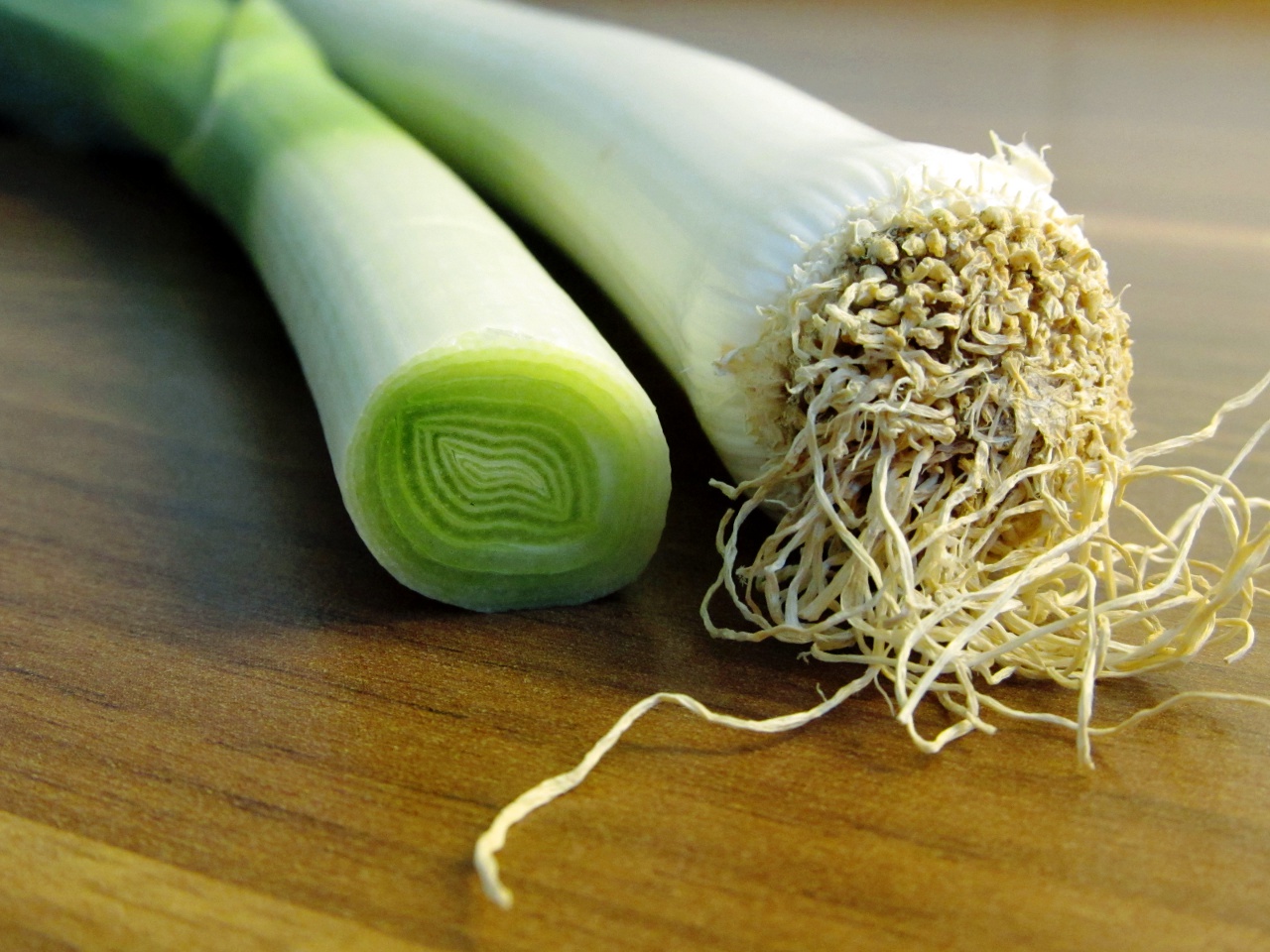
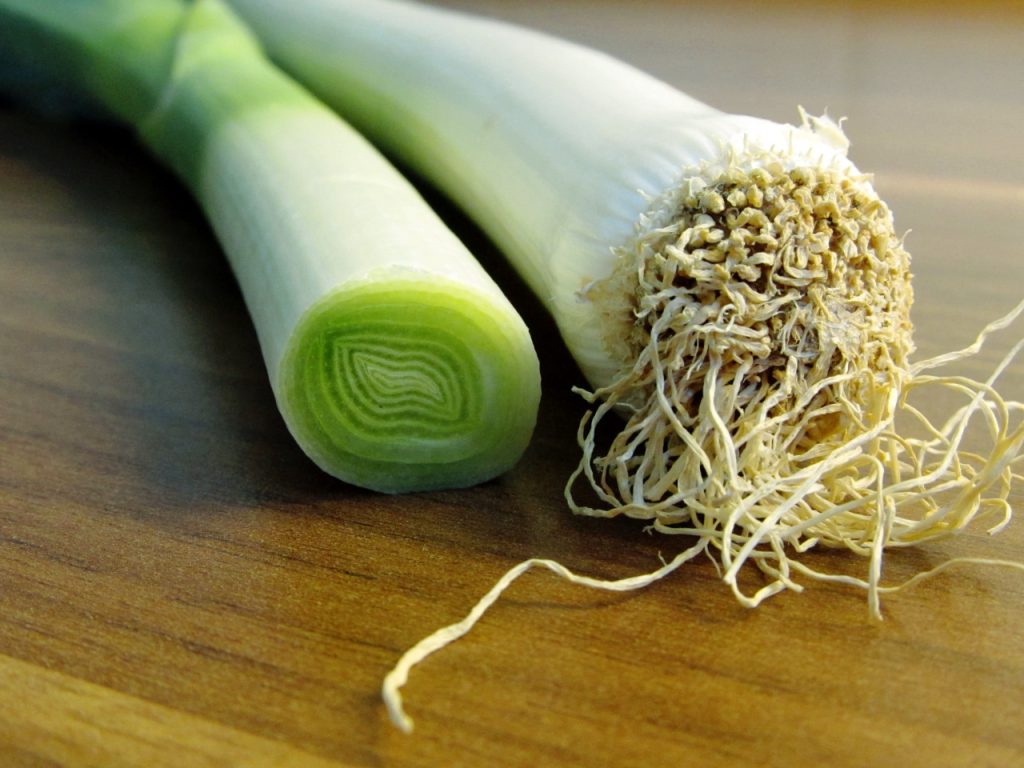
Leeks are cool-season members of the onion family grown for their thickened, layered leaf bases rather than a round bulb. Their mild flavor, tolerance of cool weather, and ability to stand in the garden into cold weather make them useful for extending the harvest season. The familiar long white shank is produced by growing the plant so that its lower stem receives little light.
Crop identity
- Scientific name: Allium ampeloprasum Leek Group; often listed in older references as Allium porrum.
- Family: Amaryllidaceae (onion family).
- Crop type: Cool-season stem and leaf-base vegetable.
- Life cycle: Biennial; usually grown as an annual for harvest.
- Edible portion: White and light-green leaf sheaths, with tender green leaves also usable.
- Propagation: Seed, commonly started in trays and transplanted.
Types and variety selection
Climate, light, and soil
Starting seed and transplanting
Blanching, care, and maintenance
Harvesting and storage
Pests and diseases
Growing in different spaces
Regional adaptation
- Northern and short-season climates: Start seed early enough to produce sturdy transplants. Choose early or cold-tolerant cultivars and protect overwintering plants with mulch; do not assume all leeks survive frozen soil.
- Temperate climates: Spring transplants can provide summer and autumn harvests. Later plantings of winter cultivars extend the season.
- Hot and humid climates: Schedule the main crop for the coolest workable season. Provide airflow and avoid prolonged leaf wetness where fungal diseases are common.
- Hot and dry climates: Grow during the cool season, use mulch, and maintain even soil moisture. Heat and dry air can reduce quality and increase irrigation demand.
- Mediterranean climates: Autumn planting may suit mild winters; select cultivars with a maturity period that fits the cool season before spring heat.
- High-elevation sites: The usable season may be short despite cool summer temperatures. Start transplants early, select maturity dates carefully, and use protected beds to extend harvest.
- Subtropical and tropical climates: Leeks are best treated as a cool-season trial crop. Select heat-tolerant cultivars where available and avoid the hottest, wettest period.
Planting dates should be calculated backward from the cultivar’s maturity period and the expected onset of heat or hard soil freeze.
Crop record at a glance
| Scientific name | Allium ampeloprasum Leek Group |
|---|---|
| Family | Amaryllidaceae |
| Crop group | Cool-season stem vegetable |
| Propagation | Seed; usually transplanted |
| Typical spacing | 4–6 in (10–15 cm) between plants |
| Harvest indicator | Shank reaches useful size for cultivar and intended use |
| Key requirement | Long cool growing period, steady moisture, gradual blanching |
Sources and further reading
- University of Maryland Extension: Growing Leeks in a Home Garden — transplanting, spacing, and crop care.
- University of California Agriculture and Natural Resources: Growing Onion and Leeks — transplant production, trench planting, and blanching.
- South Dakota State University Extension: Leeks—Harvest and Storage — blanching, pests, and harvest management.
Editorial status: Foundational crop profile. Cultivar maturity, cold tolerance, and pest pressure vary by region. Confirm local planting windows and overwintering performance with regional Extension guidance.