
THE FOUNDRY CROP ENCYCLOPEDIA · BRASSICAS · COOL-SEASON CROPS
Broccoli — Growing Guide & Crop Profile
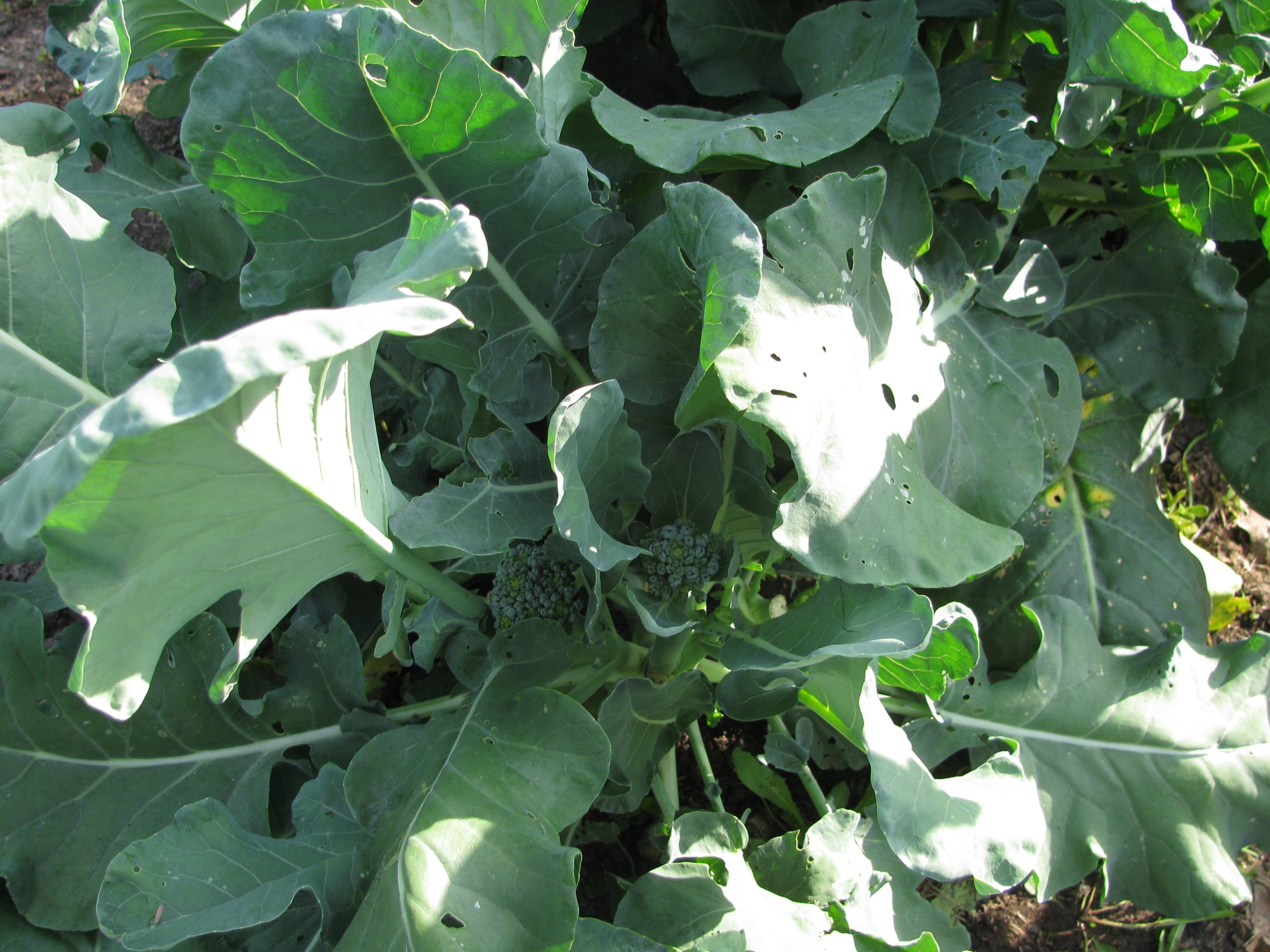
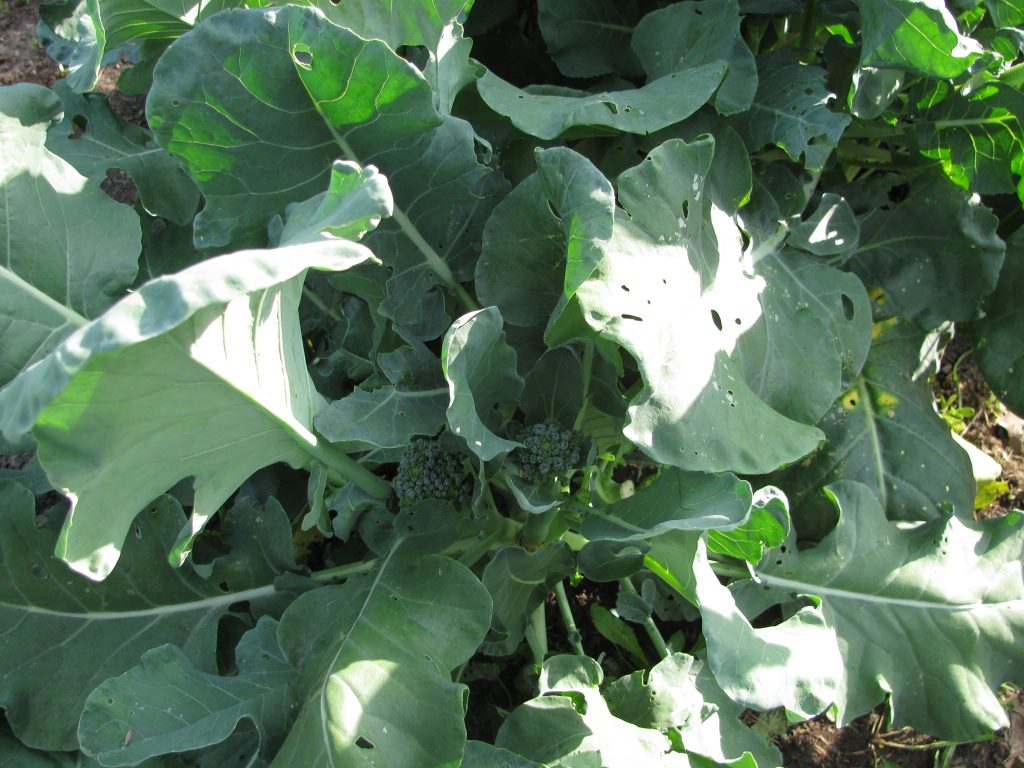
Broccoli is a cool-season brassica grown for its immature flower head, tender stems, and leaves. It can produce a large central head followed by smaller side shoots. Consistent growth, suitable temperatures, and timely harvest are more important than pushing plants with excess fertilizer.
Crop identity
- Scientific name: Brassica oleracea Italica Group
- Family: Brassicaceae (mustard family)
- Crop type: Cool-season flowering vegetable
- Life cycle: Biennial by nature, generally grown as an annual
- Edible portions: Immature flower head, stems, and leaves
- Propagation: Seed; usually transplanted for reliable timing
Types and variety selection
- Calabrese types: Large central green head followed by side shoots; common in home gardens.
- Sprouting broccoli: Produces multiple smaller shoots and may have a longer harvest period.
- Purple broccoli: Colored forms vary in head shape, maturity, and cold response.
- Heat- or cold-adapted cultivars: Select varieties specifically recommended for the season and region.
Check days to maturity, head size, side-shoot production, disease resistance, and whether the variety is intended for spring or fall. A cultivar that performs well in a cool coastal climate may not behave the same in a hot, dry inland summer.
Climate, light, and soil
- Season: Cool weather is ideal. Heat can cause small heads, loose buds, or premature flowering; hard freezes can damage developing heads.
- Temperature: Moderate conditions, often around 60–70°F (16–21°C), favor steady growth. Stress responses vary by cultivar and stage.
- Light: Full sun.
- Soil: Fertile, well-drained soil with organic matter; avoid compacted or waterlogged ground.
- Water: Even moisture supports rapid leaf and head development.
When and how to plant
Broccoli is commonly started indoors and transplanted for spring or fall harvest. For spring crops, start seed early enough to establish transplants before warm weather, but harden them off before planting. For fall crops, count backward from the expected harvest window and allow time for seedling establishment during summer heat.
- Start seed in clean mix, generally several weeks before transplanting.
- Provide strong light and steady moisture to grow stocky seedlings.
- Harden plants gradually before setting them outdoors.
- Transplant into fertile soil at spacing suited to the cultivar, commonly around 18 inches or more for full-size plants.
- Water immediately and maintain even moisture as roots establish.
- Use insect netting or row cover early where cabbage-family pests are common; secure edges and remove or manage covers when necessary for plant care.
Fertility and care
Broccoli needs adequate nitrogen to build its leafy framework, but excess fertilizer can create lush growth without solving heat or timing problems. Base amendments on soil tests and apply nutrients according to local recommendations. Keep moisture consistent, mulch to reduce soil temperature and moisture swings, and control weeds while plants are small.
Pests, diseases, and common problems
Watch for cabbageworms, cabbage loopers, diamondback moth larvae, aphids, flea beetles, and cabbage root maggot. Inspect the growing point and leaf undersides. Common diseases include clubroot, black rot, downy mildew, and Alternaria leaf spot. Rotate brassicas, use clean transplants, maintain drainage, avoid working wet foliage, and choose resistant cultivars where possible. Buttoning (very small heads) can follow stress in young plants, including cold, nutrient shortage, root restriction, or transplant shock.
Harvest and storage
Harvest the central head while buds are tight and before yellow flowers begin opening. Cut with a sharp knife, leaving enough stem for handling. Many varieties produce side shoots after the central head is removed; continue checking plants and harvest these while buds remain compact. Refrigerate promptly. Broccoli is best used fresh or frozen after appropriate blanching; follow tested preservation guidance.
Growing in different spaces
Acreage and larger gardens
Plan spring and fall blocks around the local temperature window. Succession planting can extend harvest, but avoid scheduling head formation during the hottest part of the year. Use rotation, insect exclusion, and a harvest schedule to reduce pest damage and missed heads.
Suburban beds
Broccoli is worthwhile in a small bed when planted in the right season. One or two plants can provide a central head and some side shoots. Choose compact cultivars if space is limited, and protect plants from caterpillars early.
Containers and balconies
Full-size broccoli needs a large, stable container with drainage and adequate root volume. Compact varieties are best. Containers dry quickly, and plants may become top-heavy; provide wind protection and consistent moisture.
Indoor growing
Producing full broccoli heads indoors is difficult because plants need intense light, space, and cool growing conditions. Broccoli microgreens are a much more practical indoor crop and have a very different production cycle from mature head broccoli.
Regional adaptation: match the crop to your conditions
There is no single national planting calendar. Use the crop’s days to maturity, local average frost dates, soil temperature, day length, seasonal rainfall, and expected heat or cold to plan sowing and harvest. Local Cooperative Extension guidance and cultivar-specific seed information should take precedence over broad regional rules.
- Northern and short-season climates: Favor appropriately early cultivars, start transplants when suitable for the crop, use succession planning carefully, and protect vulnerable plants from late spring or early fall cold.
- Temperate climates: Use spring and fall planting windows where the crop tolerates cool weather; stagger sowings when this extends harvest without exposing plants to unsuitable heat or cold.
- Hot and humid climates: Account for heat stress, high nighttime temperatures, humidity-related disease, and intense pest pressure. Favor locally proven cultivars, airflow, soil-level irrigation, and seasonal timing that avoids the harshest conditions.
- Hot and dry climates: Plan around water availability, rapid soil drying, high evaporative demand, and heat. Mulch, efficient irrigation, afternoon shade where appropriate, and locally adapted cultivars can improve reliability.
- Mediterranean climates: Mild wet seasons and dry summers may create different planting windows than continental climates. Time establishment around dependable moisture and avoid assuming summer conditions suit every crop.
- High-elevation sites: Treat elevation as a separate factor from latitude. Cold nights, shorter frost-free periods, intense sunlight, wind, slow spring soil warming, slope, and aspect can all affect performance; nearby lowland calendars may not apply.
- Subtropical and tropical climates: Heat, humidity, rainfall patterns, and sometimes day length can shift the best season. In some locations, a crop’s productive window may be the cooler or drier season rather than the local summer.
Before planting, compare the forecast and soil conditions with the crop’s actual requirements. Use frost dates as planning estimates, not guarantees, and adjust for your garden’s microclimate, drainage, exposure, and available protection.
Crop record at a glance
| Crop group | Cool-season brassica |
|---|---|
| Scientific name | Brassica oleracea Italica Group |
| Planting method | Usually seed-started and transplanted |
| Typical maturity | Often 50–85 days from transplant, cultivar dependent |
| Sun | Full sun |
| Spacing | Commonly about 18 inches or more for full-size plants |
| Container suitability | Possible with compact cultivars and large containers |
| Harvest | Central head and subsequent side shoots |
Sources and further reading
- University of Minnesota Extension: Growing Broccoli — planting, care, and harvest.
- Utah State University Extension: Broccoli in the Garden — regional crop management.
- Colorado State University Extension: Colorado Vegetable Guide — Colorado vegetable production.
Editorial status: Foundational crop profile. Planting dates, head size, and heat tolerance depend on cultivar and local conditions.