
THE FOUNDRY CROP ENCYCLOPEDIA · LEGUMES
Green Beans
Green beans are warm-season legumes grown for their tender immature pods. Bush varieties provide a concentrated crop with little support; pole varieties climb and can produce over a longer period when regularly picked.
Identity and types
- Scientific name: Phaseolus vulgaris
- Family: Fabaceae
- Crop group: Legume; pod vegetable
- Life cycle: Annual
- Edible portion: Immature pods; mature dry seeds are also edible when properly cooked.
- Propagation: Direct-sown seed
- Growth habit: Bush or pole/climbing forms
Climate and site
Beans are frost-sensitive warm-season crops. Sow after frost danger has passed and soil has warmed. Cold, wet soil can cause seed decay and poor emergence. Choose a sunny location with well-drained soil. Beans generally do not need heavy nitrogen fertilization; excess nitrogen can favor foliage over pods. Soil-test guidance remains the best basis for nutrient decisions.
Planting
Direct sow beans rather than starting them in small pots, because they do not always transplant well. Plant seed at the depth and spacing recommended for the variety and local soil. Bush beans are commonly planted in rows or blocks; pole beans need a sturdy trellis or support installed before or at sowing. Do not work wet soil or plant into cold conditions.
Care and pollination
Maintain even moisture from flowering through pod development. Water at soil level where possible and avoid prolonged leaf wetness. Weed carefully while plants are small; mature bean foliage can shade some weeds. Pole beans need a secure structure capable of supporting mature vines and wet foliage. Most common beans are self-fertile, with flowers capable of setting pods without special hand pollination.
Pests and diseases
Possible problems include bean beetles, aphids, spider mites, slugs, bacterial blights, rust, and viruses. Regional pressure varies. Use clean seed, rotate crops, remove badly affected plants, keep foliage from remaining wet for long periods, and identify the pest or disease before selecting a control.
Harvest and storage
For snap beans, harvest pods while they are young, crisp, and before seeds become prominent. Pick frequently to encourage continued production, especially on pole types. Handle pods gently and refrigerate promptly. For longer storage, beans can be frozen after suitable preparation or preserved using tested food-safety procedures. Do not improvise shelf-stable canning methods.
Growing in different spaces
Acreage and larger gardens
Choose bush beans for a more concentrated harvest that can suit batch processing, or pole beans when repeated picking is manageable. Plan succession sowings, rotation, and harvest labor around the intended use.
Backyard beds
Bush beans fit compact rows and raised beds. Pole beans use vertical space but need a strong trellis and regular picking. Avoid shading neighboring crops unintentionally.
Containers and balconies
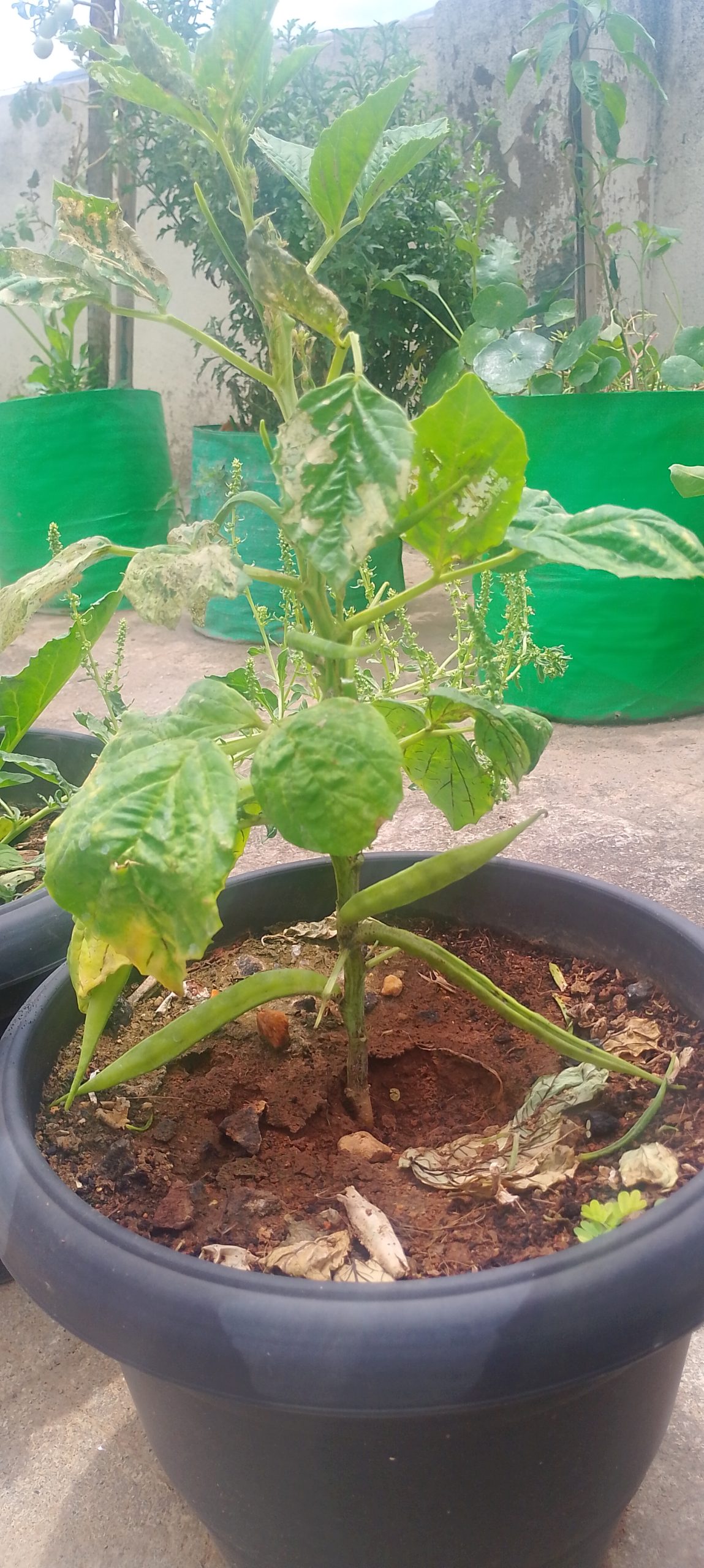
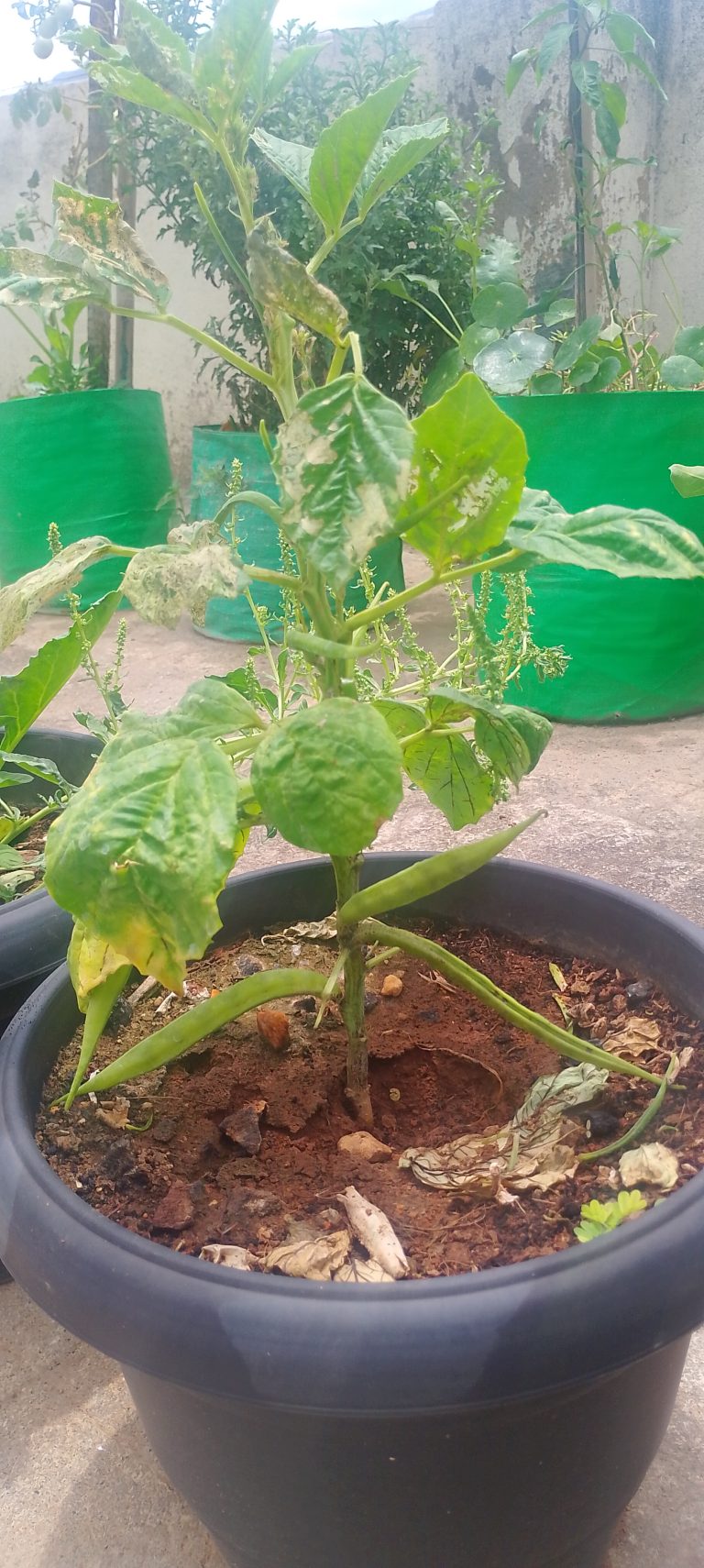
Bush beans can grow in suitably sized containers with drainage and enough root volume. Pole beans can work in large containers with a securely anchored trellis, provided the structure is safe for the balcony and wind exposure. Container plants need closer moisture monitoring than in-ground crops.
Regional adaptation: match the crop to your conditions
There is no single national planting calendar. Use this crop’s days to maturity, local average frost dates, soil temperature, day length, seasonal rainfall, and expected heat or cold to plan sowing and harvest. Local Cooperative Extension guidance and cultivar-specific seed information should take precedence over broad regional rules.
- Northern and short-season climates: Select cultivars suited to the available frost-free window and plan around late spring and early fall cold.
- Temperate climates: Use spring and fall planting opportunities where the crop’s temperature preferences allow, and stagger plantings if useful.
- Hot and humid climates: Account for heat, high nighttime temperatures, humidity-related disease, and pest pressure; adjust planting windows to avoid the harshest weather.
- Hot and dry climates: Plan for high evaporative demand and water availability; use mulch and efficient irrigation where appropriate.
- Mediterranean climates: Align planting with mild, wetter periods where suitable and account for dry summers or cool coastal conditions.
- High-elevation sites: Treat elevation separately from latitude. Cold nights, shorter frost-free periods, wind, intense sun, and slow soil warming can make nearby lowland calendars unreliable.
- Subtropical and tropical climates: Heat, humidity, rainfall cycles, and day length can shift the best growing window, which may be the cooler or drier season.
Use frost dates as estimates, not guarantees. Check actual soil and forecast conditions and account for the garden’s microclimate, drainage, exposure, and available protection.
/- University of Minnesota Extension: Growing Beans.
- Utah State University Extension: Beans in the Garden.
- University of Illinois Extension: Beans.
Editorial status: Foundational crop profile. Planting depth, spacing, maturity, disease resistance, and harvest windows vary by cultivar and regional conditions.