
THE FOUNDRY CROP ENCYCLOPEDIA · LEAFY VEGETABLES
Lettuce
A fast-growing cool-season leafy crop that suits acreage gardens, backyard beds, containers, and some indoor systems. With careful variety choice and repeated sowings, lettuce can provide a steady supply of fresh greens.
Identity
- Scientific name: Lactuca sativa
- Family: Asteraceae
- Crop group: Leafy vegetable
- Life cycle: Annual
- Edible portion: Leaves and, for heading types, the compact head
- Propagation: Seed
Types and variety selection
Common types include loose-leaf, romaine or cos, butterhead, and crisphead. Loose-leaf types are often easiest for repeated picking, while heading types need enough time and suitable temperatures to form heads. Choose varieties described for the season and local climate, including slow-bolting types for warmer periods.
Climate, light, and soil
Lettuce is a cool-season crop. Warm conditions and long, hot days can cause plants to bolt, become bitter, or produce poor heads. It grows in full sun during cool weather and can benefit from partial shade in warmer periods. Use fertile, moisture-retentive but well-drained soil or a suitable container mix. Consistent moisture is important because shallow-rooted plants are sensitive to drying.
Sowing and spacing
Direct sow or transplant according to the variety and local calendar. Lettuce seed needs light or only very shallow covering for reliable germination; follow packet instructions. Sow small amounts at intervals rather than planting the entire season’s supply at once. Thin seedlings to the spacing appropriate for the type: baby-leaf harvests can be close, while full-size heads need more room.
Care and succession
Keep soil evenly moist and avoid prolonged waterlogging. Mulch can help moderate soil moisture outdoors. Use shade cloth or a cooler location during hot spells where appropriate. Inspect for slugs, aphids, cutworms, and leaf diseases; airflow, clean growing areas, and prompt removal of affected leaves help reduce problems.
For a continuing harvest, sow a short row or small container every one to three weeks while temperatures remain suitable. Adjust the interval to household use, variety maturity, and local weather. In hot climates, shift production toward cooler seasons or protected shade rather than expecting summer lettuce to perform like spring lettuce.
Harvest and storage
Harvest outer leaves as needed from suitable loose-leaf plants, or cut the whole plant when it reaches the desired size. Heading types are harvested when heads reach expected firmness and size. Wash with safe water, dry gently, and refrigerate promptly. Store greens in a clean container that limits wilting while avoiding excess trapped moisture. Use promptly for best quality.
Growing in different spaces
Acreage and larger gardens
Use succession sowing and varieties matched to the season. Plan irrigation and harvest labor because quality declines quickly when leaves become over-mature or heat-stressed.
Backyard beds
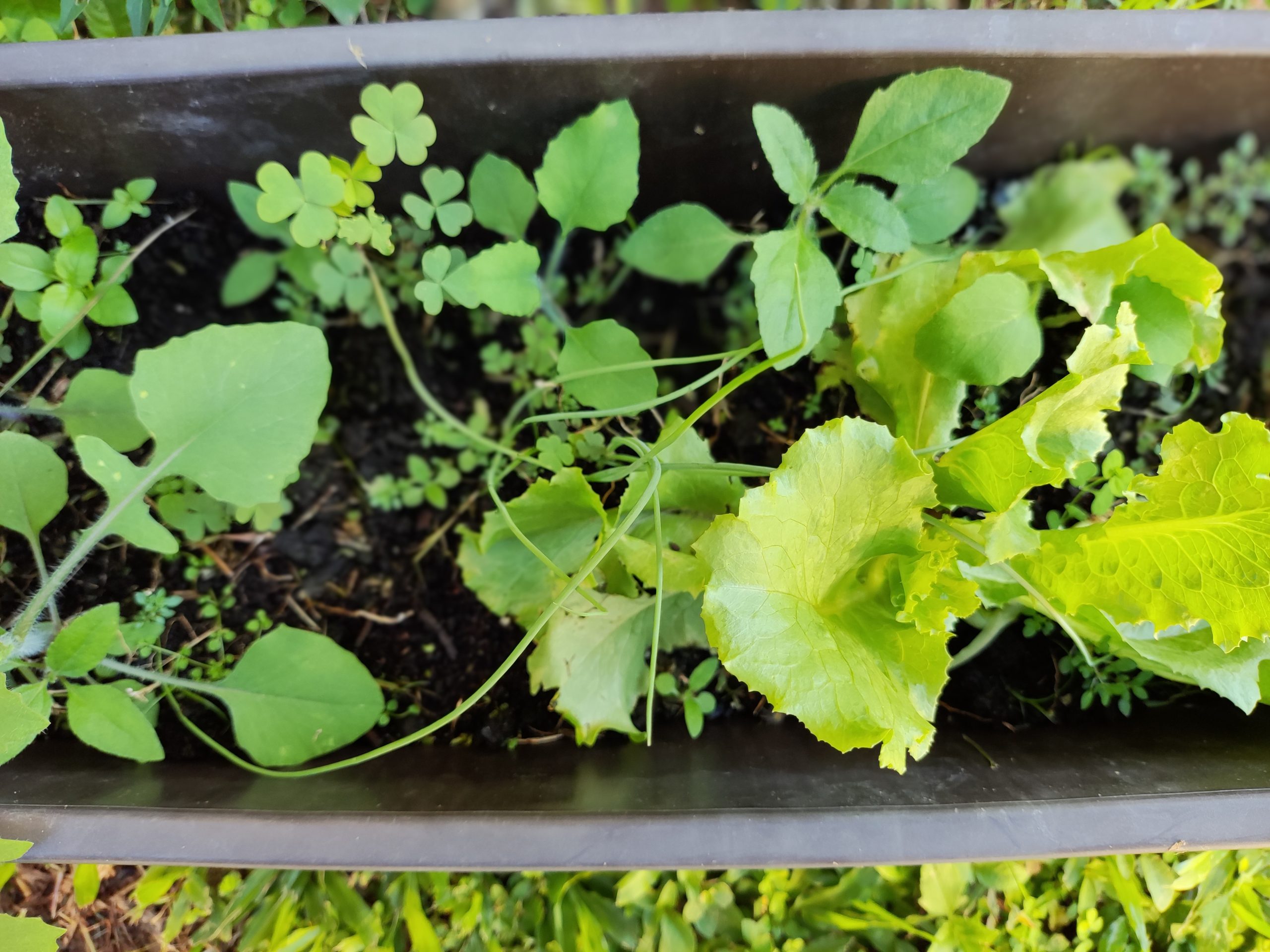
Lettuce works well along bed edges and in spaces between slower-growing crops, provided it receives suitable light and does not become crowded. Plant small batches frequently.
Containers and indoor shelves
Shallow but adequately deep planters can grow baby-leaf lettuce; larger containers are better for full heads. Indoor production needs sufficient light and airflow. Keep containers clean and avoid standing water.
Regional adaptation: match the crop to your conditions
There is no single national planting calendar. Use this crop’s days to maturity, local average frost dates, soil temperature, day length, seasonal rainfall, and expected heat or cold to plan sowing and harvest. Local Cooperative Extension guidance and cultivar-specific seed information should take precedence over broad regional rules.
- Northern and short-season climates: Select cultivars suited to the available frost-free window and plan around late spring and early fall cold.
- Temperate climates: Use spring and fall planting opportunities where the crop’s temperature preferences allow, and stagger plantings if useful.
- Hot and humid climates: Account for heat, high nighttime temperatures, humidity-related disease, and pest pressure; adjust planting windows to avoid the harshest weather.
- Hot and dry climates: Plan for high evaporative demand and water availability; use mulch and efficient irrigation where appropriate.
- Mediterranean climates: Align planting with mild, wetter periods where suitable and account for dry summers or cool coastal conditions.
- High-elevation sites: Treat elevation separately from latitude. Cold nights, shorter frost-free periods, wind, intense sun, and slow soil warming can make nearby lowland calendars unreliable.
- Subtropical and tropical climates: Heat, humidity, rainfall cycles, and day length can shift the best growing window, which may be the cooler or drier season.
Use frost dates as estimates, not guarantees. Check actual soil and forecast conditions and account for the garden’s microclimate, drainage, exposure, and available protection.
/- University of Minnesota Extension: Growing Lettuce.
- Oregon State University Extension: Growing Your Own.
- Utah State University Extension: Lettuce in the Garden.
Editorial status: Foundational crop profile. Heat tolerance, sowing windows, spacing, and bolt resistance differ by cultivar and region.