
THE FOUNDRY CROP ENCYCLOPEDIA · VEGETABLES · FRUITING CROPS
Tomato
A warm-season fruiting crop grown for fresh eating, cooking, drying, canning, and seed saving. Tomatoes can be productive in field gardens, backyard beds, and suitably sized containers when the variety and growing conditions are matched to the space.
Crop identity
- Scientific name: Solanum lycopersicum
- Family: Solanaceae (nightshade family)
- Crop type: Warm-season fruiting vegetable; botanically a fruit.
- Life cycle: Tender perennial in frost-free climates, generally grown as an annual in temperate gardens.
- Edible portion: Mature fruit.
- Propagation: Primarily by seed; vegetative propagation is possible but less common for home production.
- Pollination: Primarily self-pollinating; flower vibration and airflow help release pollen.
Choosing a variety
Choose varieties according to available space, season length, intended use, and disease pressure. The two main growth habits are determinate and indeterminate, with semi-determinate types between them.
- Determinate: Plants reach a more limited size and tend to produce a concentrated crop. Often useful where space or support height is limited.
- Indeterminate: Vines continue growing and setting fruit through the season until conditions stop them. They need substantial support and regular attention.
- Semi-determinate: Intermediate growth and production pattern; traits vary by cultivar.
- Fruit types: Cherry, grape, salad, slicer, beefsteak, paste, and specialty types for different uses.
Look for cultivar-specific information on days to maturity, disease resistance, fruit size, growth habit, and suitability for containers. A disease-resistance code on a seed packet is not a guarantee of immunity; confirm which diseases the letters represent.
Climate and site requirements
- Light: Full sun. At least six hours of direct sunlight is a common minimum; more sun generally supports stronger production where heat is not excessive.
- Temperature: Warm-season crop, sensitive to frost and prolonged cold. Cool soil and cold nights can stall growth; very high temperatures can interfere with flower set.
- Soil: Fertile, well-drained soil with good structure. Use a soil test to guide pH and nutrient amendments rather than applying lime or fertilizer by habit.
- Water: Consistent soil moisture is important, especially during flowering and fruit development. Avoid repeated severe dry-downs followed by heavy watering.
- Support: Most full-size cultivars benefit from cages, stakes, or trellises installed at planting.
When and how to plant
Tomatoes are usually started indoors or purchased as transplants, then planted outside after frost danger has passed and the soil has warmed. For many regions, seed is started about six to eight weeks before the intended transplant date; follow local recommendations and avoid starting so early that plants become overgrown indoors.
- Sow seeds in a clean seed-starting mix at the depth specified on the packet.
- Provide warmth for germination and strong overhead light after seedlings emerge.
- Pot up seedlings if needed and grow them into sturdy, compact transplants.
- Harden plants gradually over roughly a week, increasing exposure to outdoor sun and wind while protecting them from frost and damaging cold.
- Transplant into prepared soil once local frost and soil-temperature conditions are suitable.
- Water in, install support, and mulch after the soil has warmed.
Spacing and support
Spacing depends on cultivar size, growth habit, pruning, and support method. University of Maryland Extension gives a broad home-garden range of 18–36 inches between plants, with row spacing varying by system. Colorado State University Extension notes that trellised plants should not be crowded; good airflow helps foliage dry and can reduce disease pressure. Use the seed supplier’s variety-specific spacing as a starting point and adjust to the support system.
Water, mulch, and fertility
Water deeply enough to moisten the active root zone, then adjust frequency to soil, weather, plant size, and container volume. Drip irrigation or watering at soil level helps keep foliage dry. Mulch can moderate soil moisture and reduce soil splash onto lower leaves; wait until soil has warmed before applying thick organic mulch in cool regions.
Tomatoes need adequate nutrients but excessive nitrogen can encourage leafy growth at the expense of fruiting. Base amendments on a soil test and follow a balanced fertilizer program suited to the soil and production system. Do not add Epsom salts or other amendments unless a soil test or clear diagnosis supports their use.
Pests, diseases, and common problems
Common issues vary by region and include early blight, Septoria leaf spot, Fusarium and Verticillium wilts, bacterial diseases, tomato hornworms, aphids, and physiological disorders such as blossom-end rot, cracking, and sunscald. Prevention begins with healthy transplants, crop rotation where practical, adequate spacing, clean tools, soil-level watering, mulch, and regular inspection. Identify the problem before choosing a treatment; similar symptoms can have different causes.
Harvest and storage
Harvest when fruit reaches the expected mature color and begins to soften, or pick at the breaker stage when weather or pest pressure makes it sensible. Mature tomatoes can continue ripening indoors at room temperature. For best eating quality, avoid refrigerating fully ripe tomatoes unless necessary for food safety or short-term handling. Harvest remaining fruit before a killing frost and follow reliable guidance for ripening or preserving it.
Adapting tomatoes to different growing spaces
Acreage and larger gardens
Choose cultivars and support systems based on the intended harvest and labor available. Plan rows or beds for access, irrigation, rotation, airflow, and efficient picking. Stagger plantings or choose cultivars with different maturity dates if a single concentrated harvest is not desired.
Suburban backyard beds
One or a few well-supported plants can provide a substantial fresh harvest. Place them where they receive strong sun and can be reached for pruning, tying, watering, and picking. Avoid crowding them into a narrow bed with poor airflow.
Containers and balconies
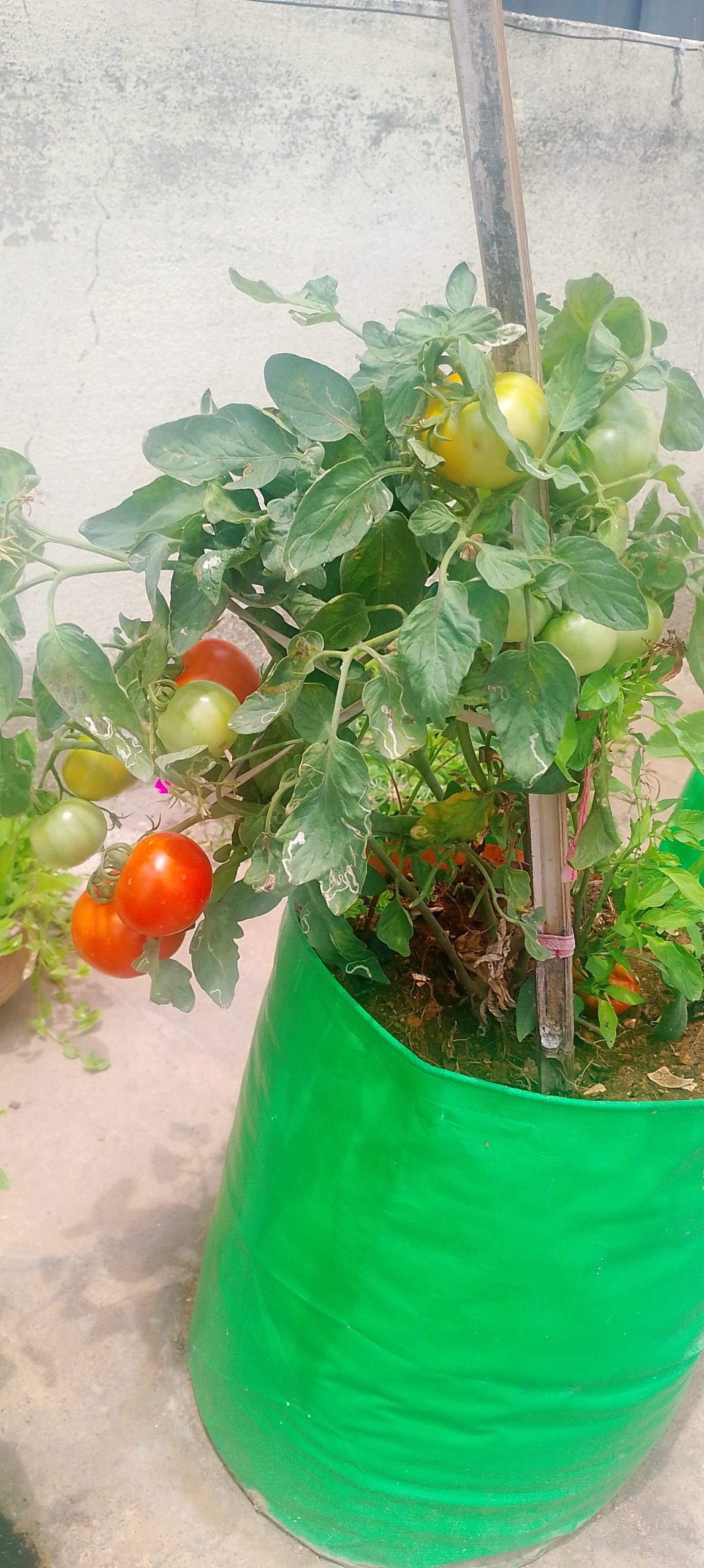
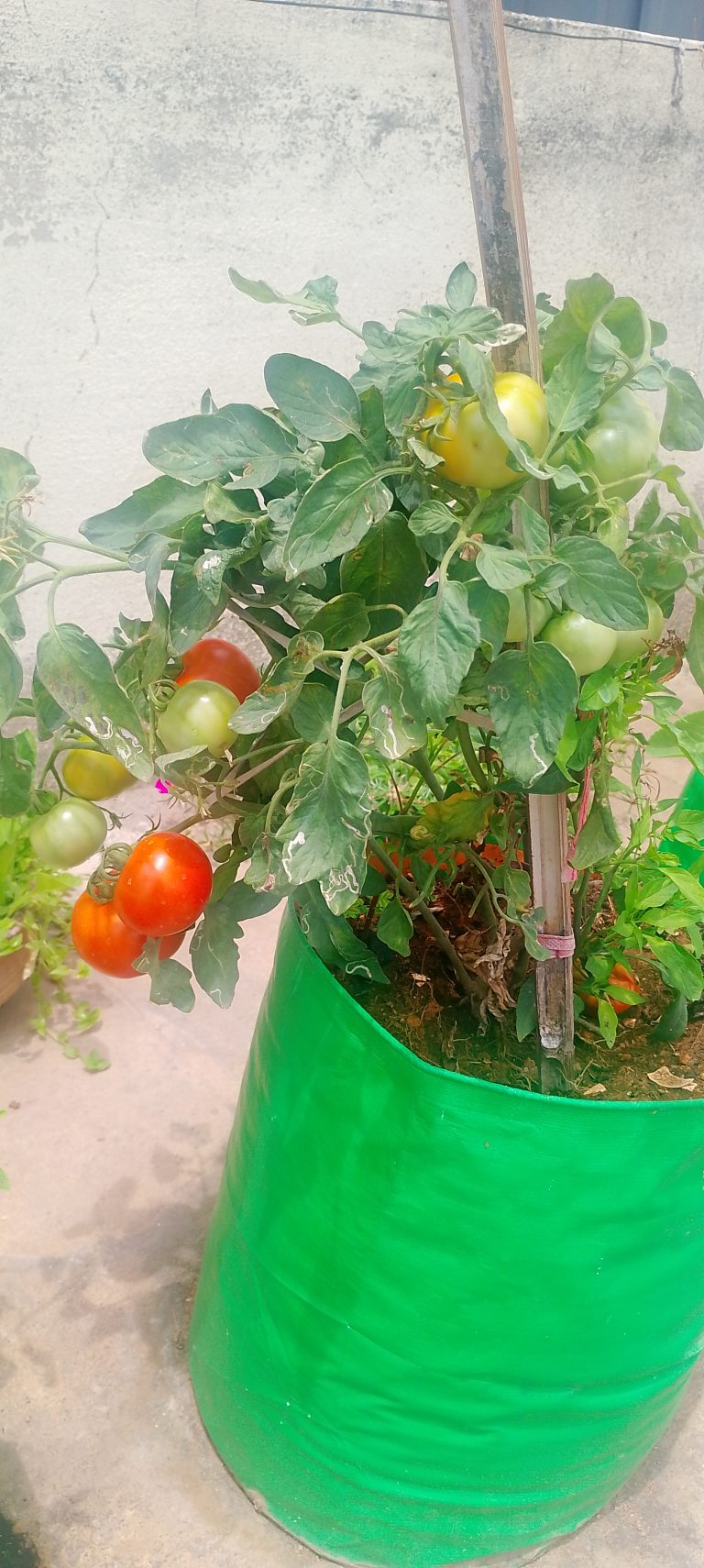
Choose compact or determinate varieties bred or recommended for containers. Use a stable, food-safe container with drainage and enough volume for the mature plant; large tomatoes need substantially more root space than herbs or salad greens. Containers dry faster than garden soil, so check moisture frequently and plan for support and safe weight placement.
Indoor growing
Tomatoes are possible indoors but are demanding because they need strong light, adequate root volume, airflow, support, and pollination assistance. Compact dwarf cultivars are the most realistic candidates. A bright windowsill alone is often insufficient for sturdy growth; a suitable grow light may be needed.
Regional adaptation: match the crop to your conditions
There is no single national planting calendar. Use the crop’s days to maturity, local average frost dates, soil temperature, day length, seasonal rainfall, and expected heat or cold to plan sowing and harvest. Local Cooperative Extension guidance and cultivar-specific seed information should take precedence over broad regional rules.
- Northern and short-season climates: Favor appropriately early cultivars, start transplants when suitable for the crop, use succession planning carefully, and protect vulnerable plants from late spring or early fall cold.
- Temperate climates: Use spring and fall planting windows where the crop tolerates cool weather; stagger sowings when this extends harvest without exposing plants to unsuitable heat or cold.
- Hot and humid climates: Account for heat stress, high nighttime temperatures, humidity-related disease, and intense pest pressure. Favor locally proven cultivars, airflow, soil-level irrigation, and seasonal timing that avoids the harshest conditions.
- Hot and dry climates: Plan around water availability, rapid soil drying, high evaporative demand, and heat. Mulch, efficient irrigation, afternoon shade where appropriate, and locally adapted cultivars can improve reliability.
- Mediterranean climates: Mild wet seasons and dry summers may create different planting windows than continental climates. Time establishment around dependable moisture and avoid assuming summer conditions suit every crop.
- High-elevation sites: Treat elevation as a separate factor from latitude. Cold nights, shorter frost-free periods, intense sunlight, wind, slow spring soil warming, slope, and aspect can all affect performance; nearby lowland calendars may not apply.
- Subtropical and tropical climates: Heat, humidity, rainfall patterns, and sometimes day length can shift the best season. In some locations, a crop’s productive window may be the cooler or drier season rather than the local summer.
Before planting, compare the forecast and soil conditions with the crop’s actual requirements. Use frost dates as planning estimates, not guarantees, and adjust for your garden’s microclimate, drainage, exposure, and available protection.
Crop record at a glance
| Category | Warm-season fruiting crop |
|---|---|
| Scientific name | Solanum lycopersicum |
| Planting method | Usually indoor seed-starting followed by transplanting |
| Days to maturity | Variety-dependent; commonly reported as approximately 65–90 days from transplant in home-garden references |
| Sun | Full sun |
| Container suitability | Good with compact varieties and sufficiently large containers |
| Harvest use | Fresh, cooking, drying, freezing, and tested canning recipes |
Sources and further reading
- Colorado State University Extension: Growing Tomatoes — Colorado Front Range timing, growth habits, spacing, support, irrigation, and fertility.
- University of Maryland Extension: Growing Tomatoes in a Home Garden — crop overview, planting, spacing, harvest, and storage.
- Cornell Garden-Based Learning: Tomato Growing Guide — seed starting, variety choice, and growing requirements.
- University of Minnesota Extension: Growing Tomatoes in Home Gardens — seed starting, soil, planting, and plant care.
Editorial status: Foundational crop profile. Growing dates, spacing, and care vary by cultivar and region. This entry will be expanded with variety records, regional calendars, pest and disease references, and more detailed preservation guidance as the encyclopedia develops.