
THE FOUNDRY CROP ENCYCLOPEDIA · CUCURBITACEAE · WARM-SEASON VINE CROP
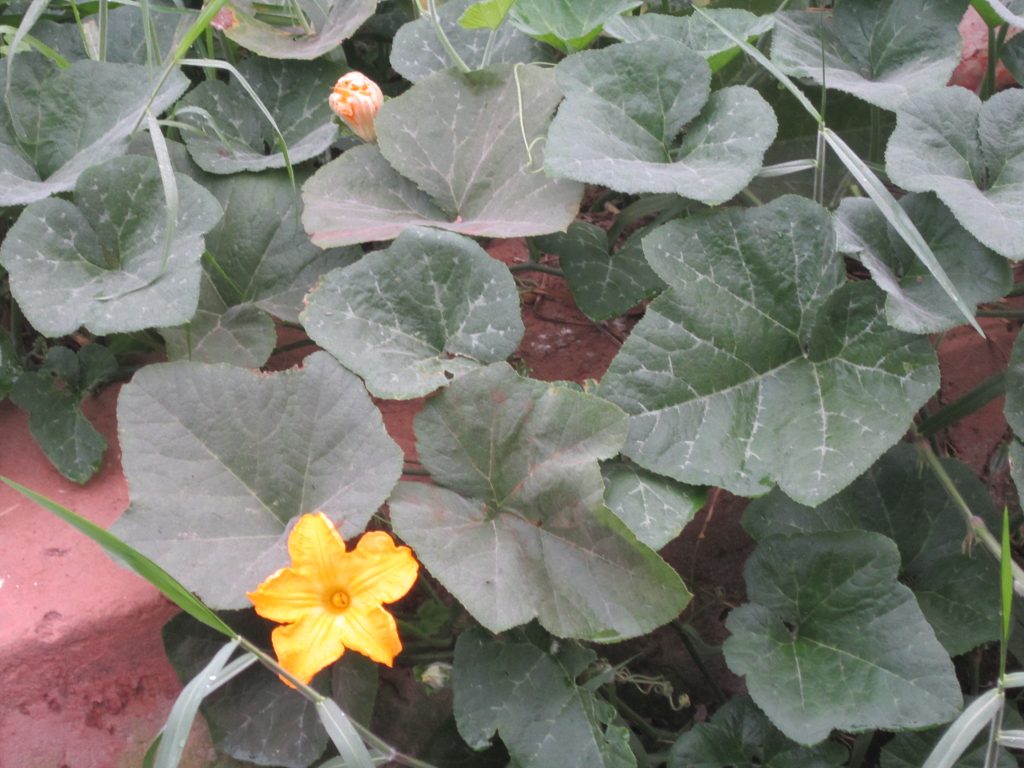
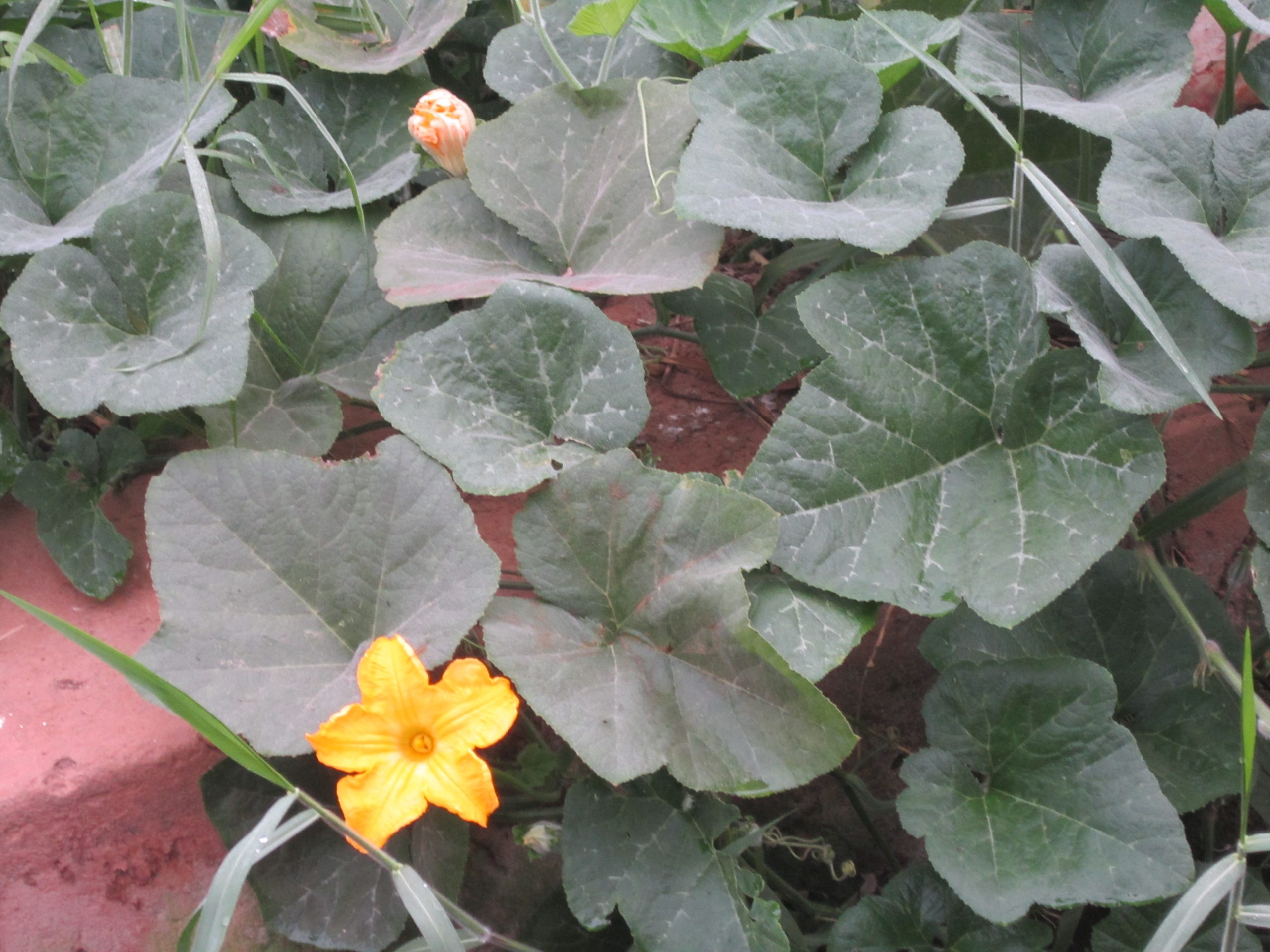
Pumpkins
Pumpkins are warm-season members of the squash genus Cucurbita, grown for edible flesh, seeds, decoration, and autumn storage. The name covers several species and a wide range of fruit sizes and uses. Choosing the right species and cultivar is essential: a small pie pumpkin, a giant competition fruit, and a long-storing culinary pumpkin do not have identical growing or storage characteristics.
Crop identity
- Scientific identity: Pumpkins are cultivated forms of several Cucurbita species, especially C. pepo, C. maxima, and C. moschata.
- Family: Cucurbitaceae.
- Crop type: Warm-season fruit crop; generally grown as an annual.
- Edible portions: Mature fruit flesh and seeds; flowers and young fruit are eaten in some cuisines.
- Propagation: Seed, direct-sown or started in pots for careful transplanting.
Species and variety selection
- Cucurbita pepo: Includes many jack-o’-lantern pumpkins, small pie pumpkins, and some summer and winter squash types. Often has a shorter season than some large-fruited types, but maturity is cultivar-specific.
- Cucurbita maxima: Includes many giant pumpkins and large-fruited types such as Hubbard and kabocha relatives. Large fruits usually require substantial space and a long season.
- Cucurbita moschata: Includes some tropical-adapted pumpkins and squash such as cushaw and certain butternut types. Many cultivars have strong heat tolerance, but performance is not universal.
Choose by intended use: pie and cooking quality, seed production, carving, ornamental value, storage life, or giant-fruit competition. Check days to maturity against the local frost-free period and choose disease resistance where relevant.
Climate, light, and soil
Planting and spacing
Pollination and care
Pests and diseases
Harvest, curing, and storage
Growing in different spaces
Regional adaptation
- Northern and short-season climates: Choose early cultivars and count backward from the expected first autumn frost. Start in pots only if transplanting can occur without root disturbance; protect young plants from cold nights.
- Temperate climates: Warm-soil direct sowing is usually reliable. Select cultivars based on intended use and local disease pressure.
- Hot and humid climates: Prioritize airflow, disease resistance, and a planting window that avoids the most severe disease season. Monitor for mildew and fruit rots.
- Hot and dry climates: Provide deep irrigation during flowering and fruit fill. Mulch and avoid water stress that can cause poor fruit development.
- Mediterranean climates: Spring planting can work where the fruit matures before autumn rains or cold. In mild-winter areas, local calendars may differ substantially.
- High-elevation sites: Cool nights and short frost-free periods make early maturity critical. Use the warmest sunny site, warm soil before planting, and avoid large-fruited cultivars with long maturity periods unless the season supports them.
- Subtropical and tropical climates: Choose locally adapted species and cultivars, and schedule around rainfall, humidity, and local pest cycles. Some C. moschata cultivars may be more reliable in heat, but local trials should guide selection.
Use cultivar-specific maturity information and local frost forecasts; a generic “pumpkin planting date” is not reliable across species and climates.
Crop record at a glance
| Scientific identity | Cucurbita spp., chiefly C. pepo, C. maxima, C. moschata |
|---|---|
| Family | Cucurbitaceae |
| Crop group | Warm-season vine fruit |
| Propagation | Seed |
| Typical spacing | Highly cultivar-dependent; compact types to sprawling vines |
| Harvest indicator | Mature color, hard rind, corking stem |
| Key requirement | Warm soil, full sun, pollinators, adequate vine space |
Sources and further reading
- University of Minnesota Extension: Growing Pumpkins and Winter Squash — species, cultivar selection, harvest, and storage.
- Utah State University Extension: How to Grow Pumpkins in Your Garden — planting, pollination, and fruit development.
- South Dakota State University Extension: Pumpkins, Squashes and Gourds — maturity, harvest, and curing.
- University of Florida IFAS: Pollination of Cucurbita spp. — insect pollination requirements.
- University of California Agriculture and Natural Resources: Storing Pumpkin and Winter Squash at Home — curing and storage distinctions.
Editorial status: Foundational crop profile. Pumpkin is a common name covering multiple species and cultivar types. Maturity, space requirements, curing, and storage life must be checked for the specific variety.