
THE FOUNDRY CROP ENCYCLOPEDIA · ASPARAGACEAE · PERENNIAL SPEAR VEGETABLE
Asparagus
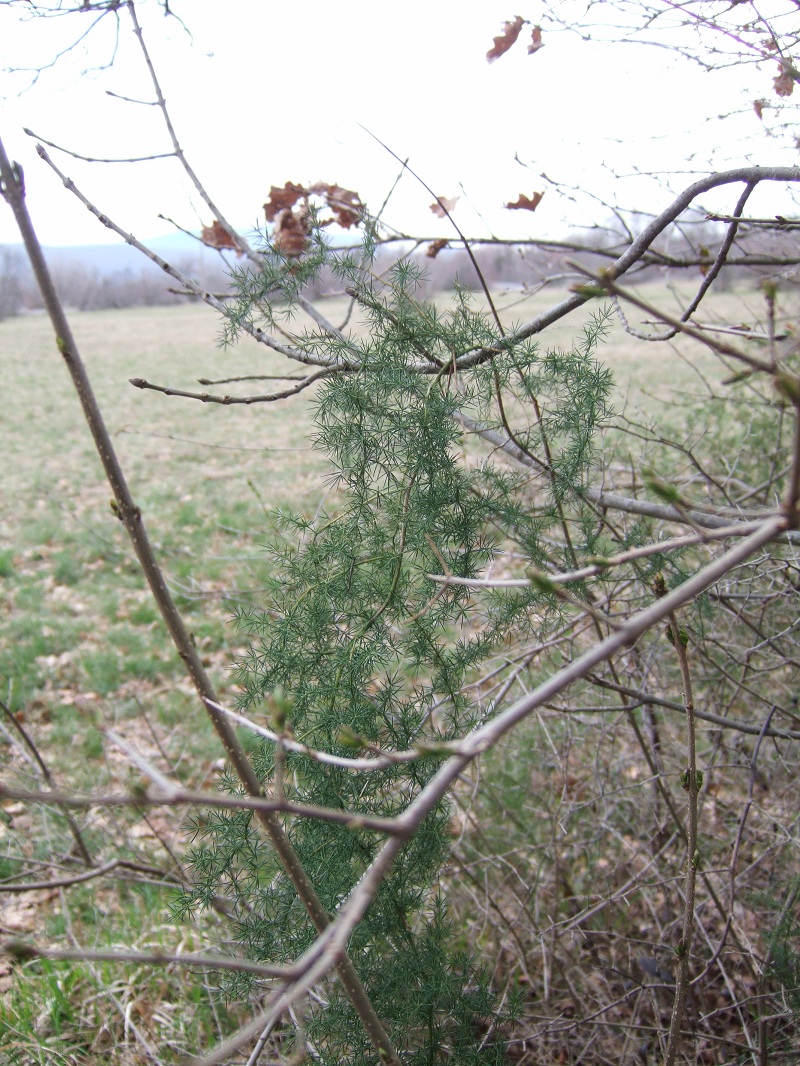
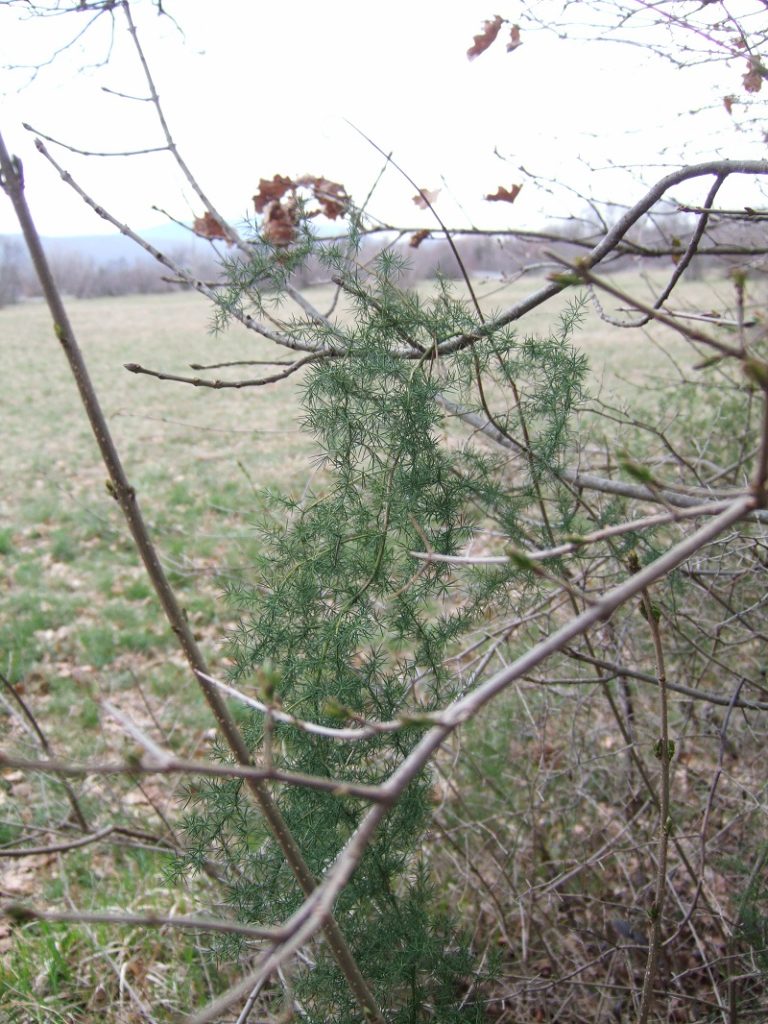
Asparagus is a long-lived perennial vegetable grown for its tender spring shoots, or spears. A well-sited bed can produce for many years, but it asks for patience: plants need time to establish strong crowns and roots before regular harvesting begins. Choose the location carefully, prepare the soil deeply, and treat the bed as a permanent part of the garden.
Crop identity
- Scientific name: Asparagus officinalis
- Family: Asparagaceae
- Crop type: Perennial stem-shoot vegetable.
- Life cycle: Long-lived perennial; plants form crowns and seasonal fern growth.
- Edible portion: Young shoots harvested before they expand into foliage.
- Propagation: Seed or dormant one-year crowns; crowns are the quicker route to a productive bed.
Varieties and selection
Climate, light, and soil
Establishing the bed
Care and maintenance
Harvesting
Pests and diseases
Growing in different spaces
Regional adaptation
- Northern and short-season climates: Prioritize locally proven winter-hardy cultivars and well-drained beds. Allow a full establishment period; do not shorten it to chase an early harvest.
- Temperate climates: Spring crown planting and a permanent mulched bed are the standard approach. Adjust harvest length to bed age and spear vigor.
- Hot and humid climates: Excellent drainage and airflow become especially important. Watch for rust and crown diseases during prolonged wet weather.
- Hot and dry climates: Use deep soil, organic mulch, and reliable irrigation during fern growth; drought stress after harvest weakens future production.
- Mediterranean climates: A winter-dormant perennial cycle can work well where summers are dry, provided crowns receive adequate moisture during active growth.
- High-elevation sites: Short seasons and cold soils slow establishment. Select adapted cultivars and judge harvest timing by plant vigor rather than the calendar.
- Subtropical and tropical climates: Asparagus may struggle where winters do not provide suitable dormancy cues or disease pressure is high. Use local trial results before dedicating a permanent bed.
Winter hardiness, drainage, and the length of the spring harvest window matter more than a generic planting date.
Crop record at a glance
| Scientific name | Asparagus officinalis |
|---|---|
| Family | Asparagaceae |
| Crop group | Perennial spear vegetable |
| Propagation | Dormant crowns or seed |
| Typical spacing | About 12–18 in (30–45 cm) between crowns; wider row spacing |
| Harvest indicator | Firm, tender spears before fern expansion |
| Key requirement | Permanent, sunny, deeply prepared, well-drained bed |
Sources and further reading
- South Dakota State University Extension: Asparagus—How to Grow It — establishment, harvest, and perennial bed management.
- Clemson Cooperative Extension: Asparagus — site preparation, soil, and long-term culture.
- University of New Hampshire Extension: Growing Vegetables—Asparagus — harvest restraint and bed care.
- Colorado State University Extension: Growing Asparagus in the Home Garden — cultivar and establishment guidance for one regional context.
Editorial status: Foundational crop profile. Asparagus is a long-term perennial; cultivar performance, winter survival, and harvest timing vary by site. Confirm local recommendations before planting a permanent bed.