
THE FOUNDRY CROP ENCYCLOPEDIA · UMBELLIFER CROPS · COOL-SEASON VEGETABLE
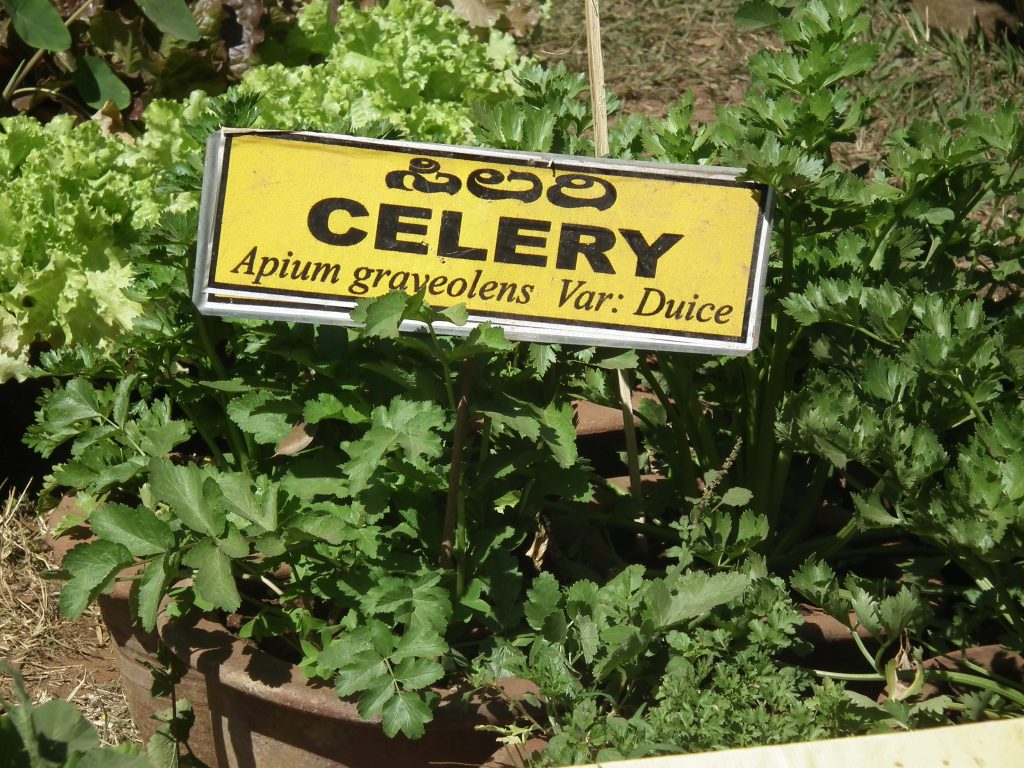
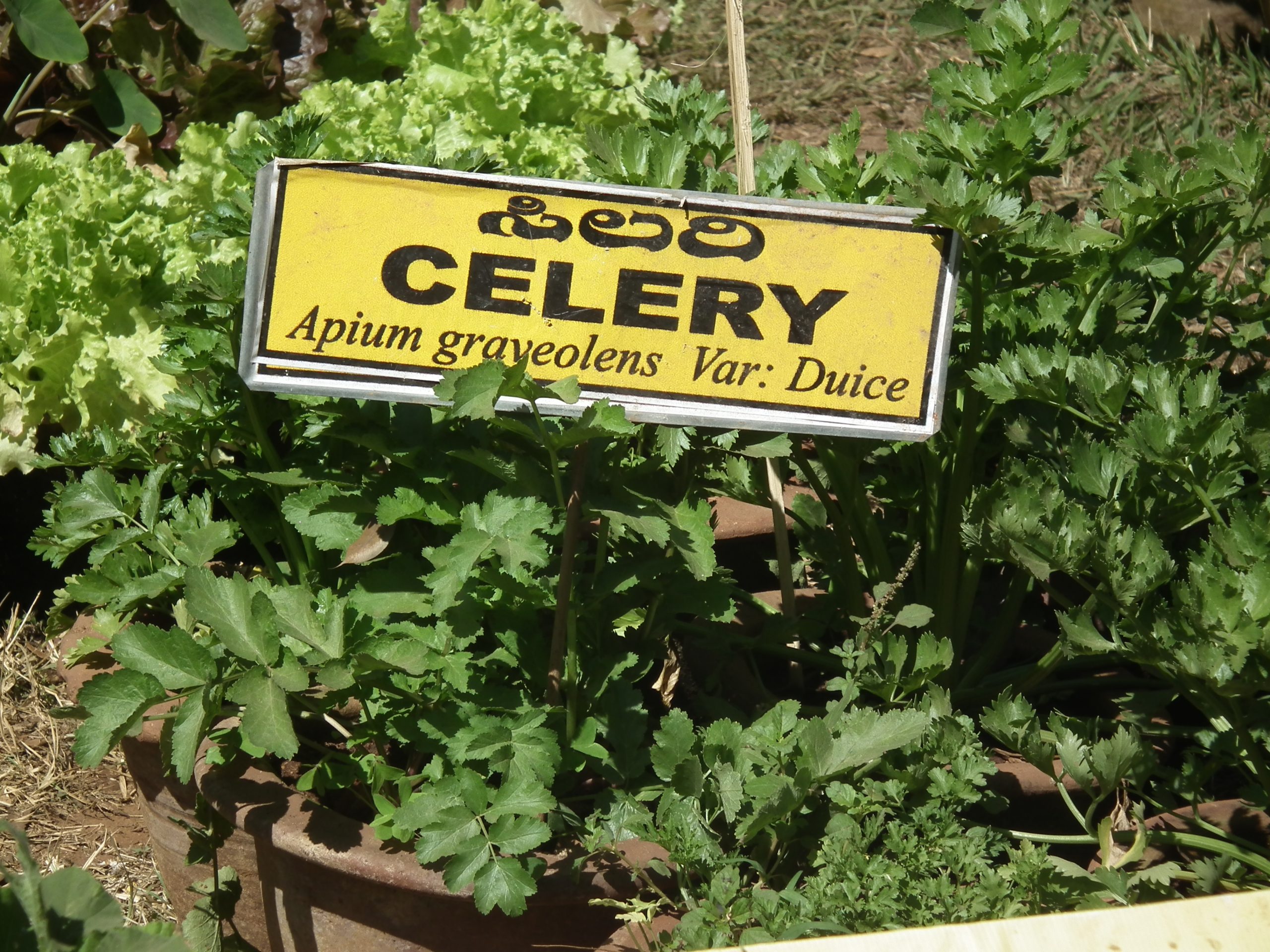
Celery
Celery is a cool-season crop grown for its crisp leaf stalks, leaves, and seeds. It is a little more demanding than many garden vegetables: the seeds are tiny and slow to germinate, the roots are relatively shallow, and the plants need a steady supply of moisture and nutrients to produce tender, full-sized stalks.
Crop identity
- Scientific name: Apium graveolens Dulce Group
- Family: Apiaceae (carrot or parsley family)
- Crop type: Cool-season stalk vegetable.
- Life cycle: Biennial by nature; grown as an annual for stalks.
- Edible portions: Leaf stalks and leaves; seeds are used as a seasoning.
- Propagation: Seed, usually started indoors and transplanted.
Types and variety selection
Celery varieties differ in stalk color, height, tenderness, flavor, maturity, and resistance to bolting or disease. Green Pascal types are common. Some cultivars are self-blanching, with inner stalks that remain paler without being covered. Traditional green types can be blanched by excluding light from the stalks, although blanching is optional and may reduce some flavor intensity. Do not confuse stalk celery with celeriac (Apium graveolens Rapaceum Group), which is grown for its enlarged root.
Climate, light, and soil
- Light: Full sun is preferred, though some afternoon shade can help in hot locations.
- Temperature: Celery grows best in cool to mild weather. Prolonged heat can cause stress, tough or bitter stalks, and premature flowering. Young plants exposed to extended cold can also bolt, so transplant timing matters.
- Soil: Deep, fertile, moisture-retentive soil with good drainage. Celery has shallow roots and benefits from consistent moisture near the surface.
- Soil reaction: Slightly acidic to neutral soil is generally suitable; use a soil test for amendments.
- Water: Needs frequent, consistent watering. Dry spells can cause stringy, hollow, bitter, or poorly developed stalks.
- Fertility: Requires steady nutrient availability, especially nitrogen, but excess fertilizer can create problems. Use soil-test results and local extension guidance to plan applications.
Starting seeds and planting
Celery seed is very small and can take roughly 10–21 days to germinate under suitable conditions. Sow on the surface of a fine seed-starting mix or cover only very lightly; light helps germination. Keep the mix evenly moist without washing seeds away. Warm, steady conditions and good light after emergence produce stronger transplants. Because seedlings develop slowly, start them well ahead of the intended transplant date, often 10–12 weeks before the outdoor planting window.
- Fill clean trays with fine-textured seed-starting mix and moisten evenly.
- Scatter or place seeds on the surface and press gently; avoid burying them deeply.
- Maintain moisture and bright light. Thin or pot up seedlings carefully once they can be handled.
- Harden off sturdy transplants gradually before setting them outdoors.
- Transplant when conditions are mild and stable. Avoid exposing young plants to prolonged cold that can trigger bolting, and avoid setting them into hot, dry weather.
- Space plants about 8–12 inches apart, adjusting for cultivar and the desired stalk size; allow room between rows for airflow and access.
Care, moisture, and blanching
Celery’s shallow roots make regular irrigation essential. Keep the soil consistently moist, not saturated, and use mulch to reduce evaporation and temperature swings. Feed in modest, appropriate applications based on soil tests and plant growth. Avoid letting plants stall from drought or nutrient shortage. Blanching is a quality choice, not a requirement: self-blanching cultivars naturally shade their inner stalks, while traditional varieties can be shielded from light by gradually mounding soil around the lower stalks or wrapping them with suitable opaque material. Keep the growing point and leaves exposed, and avoid trapping wet material against the plant for long periods.
Pests, diseases, and common problems
Potential pests include aphids, leafminers, celery leaftier caterpillars, slugs, and some beetles. Diseases include early and late blight, bacterial leaf spot, and damping-off in seedlings. Good airflow, clean seed-starting materials, crop rotation, prompt removal of badly affected leaves, and avoiding prolonged leaf wetness can help. Common quality problems include hollow or stringy stalks from uneven growth, bitterness during heat or drought stress, and premature bolting after young plants experience unsuitable cold. Local pest and disease pressure varies; use Cooperative Extension diagnosis before treatment.
Harvesting
Celery can be harvested as individual outer stalks as the plant develops, or the whole plant can be cut at the base once it reaches a useful size. Many garden varieties take around 100–120 days from sowing, but maturity depends on cultivar, transplant age, and growing conditions. Harvest before heat stress or flowering makes stalks tough. Use a clean knife and handle stalks gently to avoid bruising.
Storage and preservation
Refrigerate celery promptly. Store whole stalks in a humid, cold refrigerator environment, protected from drying, and use while they remain crisp. Leaves can be used fresh or dried for seasoning. Celery can be frozen for cooked dishes, although freezing softens its texture. For canning or pickling, follow a tested recipe from the National Center for Home Food Preservation or Cooperative Extension; do not improvise processing times or acidity.
Growing in different spaces
On acreage, celery belongs in a fertile bed with reliable irrigation and easy access for frequent watering. In a suburban garden, a short row can provide repeated outer-stalk harvests. Containers are possible but must be deep and wide enough for a substantial root zone; they also dry quickly, so daily monitoring may be needed in warm weather. Indoor celery can be grown for leaves or small stalks with strong light and consistent moisture, but full-sized stalk production takes space and careful environmental control.
Regional adaptation: avoid both heat and premature cold exposure
- Northern and short-season climates: Start seeds early indoors and transplant when conditions are mild. Protect young plants from prolonged cold exposure that can induce bolting, and harvest before hard freezes.
- Temperate climates: Aim for spring or fall growing windows with steady moisture. In regions with hot summers, a fall crop may produce better stalk quality than a crop maturing through peak heat.
- Hot and humid climates: Grow during the coolest suitable season, maintain airflow, and use drip or soil-level irrigation to reduce leaf wetness. Heat and humidity can increase disease pressure.
- Hot and dry climates: Consistent irrigation is critical. Mulch, shade during extreme heat, and moisture-retentive soil help prevent stress and tough stalks.
- Mediterranean climates: Mild, wetter seasons may suit celery well, while dry summers require dependable water and possibly afternoon shade. Time the crop to avoid the hottest period.
- High-elevation sites: Elevation is separate from latitude. Cold nights, rapid temperature swings, and a short season complicate transplant timing; young plants need protection from prolonged cold while mature plants need harvest planning before hard freezes.
- Subtropical and tropical climates: Celery is generally best grown during the coolest season. Choose varieties proven locally and plan around heat, humidity, and rainfall patterns.
Use local frost estimates, night temperatures, seasonal heat patterns, and the variety’s maturity information to set the planting window. Celery needs a long, steady period of growth rather than a single exact calendar date.
Crop record at a glance
| Scientific name | Apium graveolens Dulce Group |
|---|---|
| Family | Apiaceae |
| Crop group | Cool-season stalk vegetable |
| Propagation | Seed; usually transplanted |
| Germination | Slow; surface sow or cover very lightly and keep moist |
| Typical spacing | About 8–12 inches between plants, cultivar dependent |
| Harvest indicator | Full-sized, crisp stalks before flowering |
| Special care | Consistent moisture; blanching optional depending on variety |
Sources and further reading
- Utah State University Extension: How to Grow Celery in Your Garden — seed starting, moisture, spacing, and harvest.
- University of California Agriculture and Natural Resources: Celery Production in California — celery’s water, soil, and fertility requirements.
- University of Minnesota Extension: Growing Celery — growing and harvest guidance.
- National Center for Home Food Preservation — tested preservation procedures.
Editorial status: Foundational crop profile. Celery is sensitive to both heat and early-season cold exposure; variety, bolting response, and planting windows vary by region. Confirm timing with local Cooperative Extension guidance.