
THE FOUNDRY CROP ENCYCLOPEDIA · BRASSICA CROPS · COOL-SEASON VEGETABLE
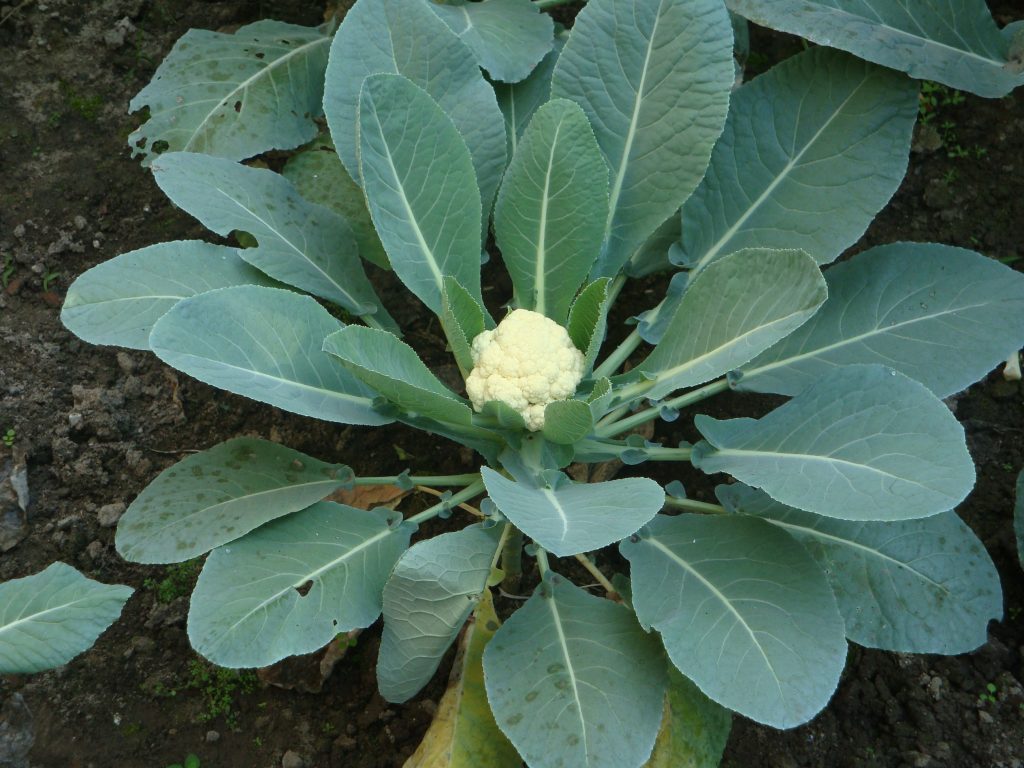
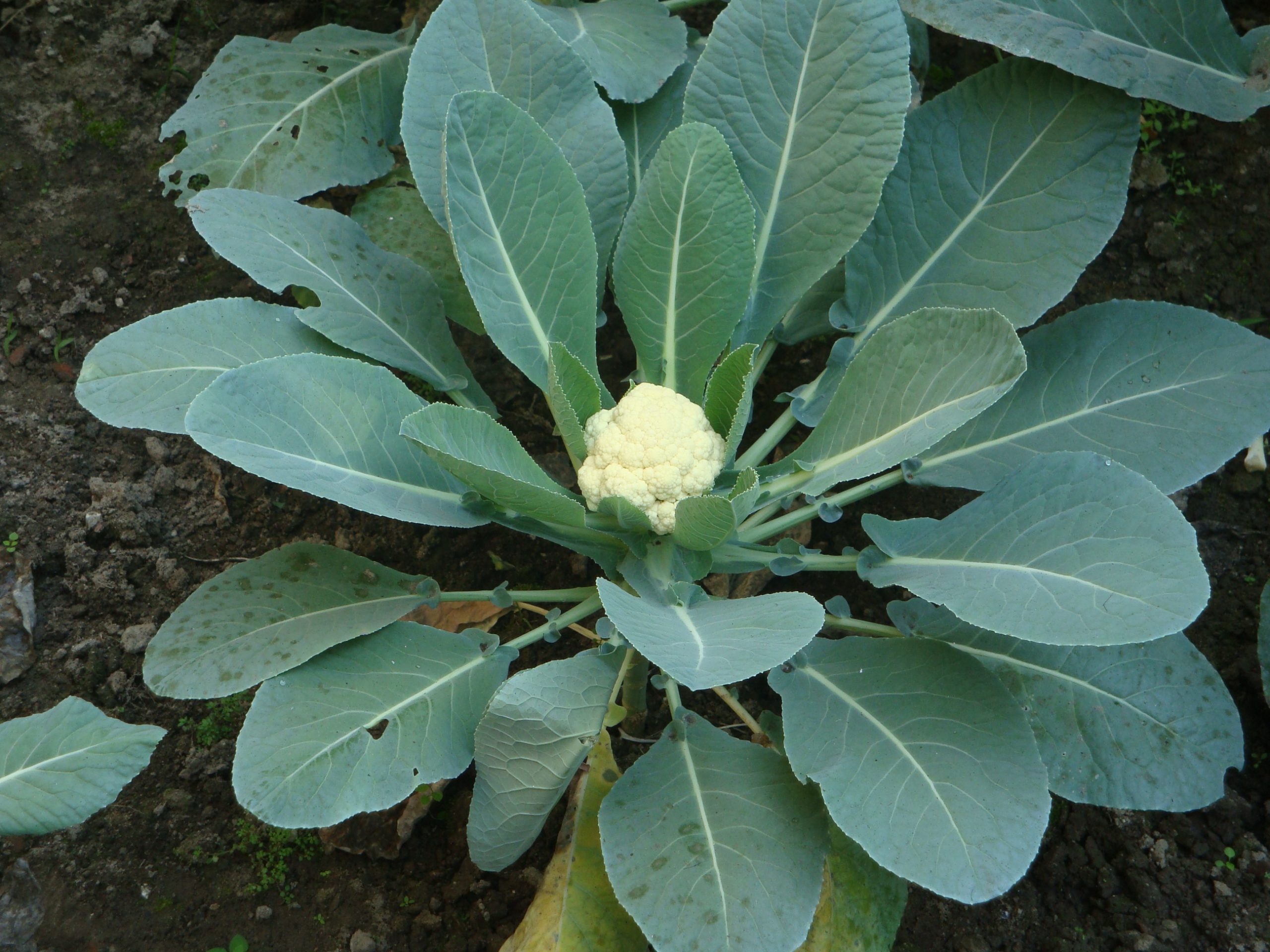
Cauliflower
Cauliflower is a cool-season brassica grown for its compact, undeveloped flower head, called a curd. It can be more demanding than cabbage or kale because stress during establishment and head formation can cause tiny heads, uneven growth, or premature flowering. Consistent conditions and well-timed planting make the difference.
Crop identity
- Scientific name: Brassica oleracea Botrytis Group
- Family: Brassicaceae (mustard or cabbage family)
- Crop type: Cool-season heading vegetable.
- Life cycle: Biennial by nature; grown as an annual for the edible curd.
- Edible portion: The immature flower head (curd); leaves are edible when tender.
- Propagation: Seed, usually started in trays or a nursery bed and transplanted.
Types and variety selection
Cauliflower cultivars produce white, cream, orange, green, or purple curds and differ in maturity, heat tolerance, plant size, head size, and self-blanching ability. Traditional white varieties often need their developing heads shielded from direct sunlight to maintain a pale color. Self-blanching types have leaves that naturally curl over the curd. Colored cultivars may not need blanching, but always follow the variety description. Romanesco is a related form of Brassica oleracea with a distinctive pointed, fractal-like head structure.
Choose varieties specifically described for spring or fall production in your region. Heat-tolerant does not mean heat-proof: sustained hot weather can still reduce head quality. In areas with difficult summers, fall crops often provide a more reliable window if seedlings can be started during the warm season and transplanted as conditions moderate.
Climate, light, and soil
- Light: Full sun, generally at least 6 hours of direct light.
- Temperature: Cool, steady growing conditions favor firm heads. Both heat and cold stress can interrupt development. Prolonged temperatures above roughly 80°F (27°C) can reduce growth and head quality, but cultivar responses vary.
- Soil: Fertile, moisture-retentive, well-drained soil rich in organic matter. Compaction and poor drainage restrict root growth.
- Soil reaction: A pH around 6.0–7.0 is commonly recommended; test soil before liming or other amendments.
- Water: Consistent moisture is essential because the crop has a relatively shallow root system. Drought can cause premature small heads or uneven curd development.
- Fertility: Cauliflower needs steady nutrient availability, particularly nitrogen. Incorporate amendments based on a soil test and follow local recommendations for side-dressing.
Starting seeds and planting
Cauliflower is commonly started indoors or in a protected nursery area and transplanted while seedlings are young, sturdy, and actively growing. Sow seeds about ¼–½ inch deep. Avoid allowing seedlings to become rootbound or overly mature before transplanting: stressed or oversized transplants are more likely to form small button heads instead of full-sized curds.
- Choose a spring or fall planting window that places head formation in moderate temperatures.
- Start seeds in clean trays with adequate light and even moisture; keep seedlings growing steadily.
- Harden plants gradually before setting them outside.
- Transplant young seedlings with several true leaves, taking care not to damage the growing point or roots.
- Space plants according to cultivar size. Common recommendations range from about 12–18 inches for smaller cultivars to 18–24 inches for larger plants; row spacing is often 24–36 inches.
- Water immediately after transplanting and maintain consistent moisture as plants establish.
Care and blanching
Keep plants growing steadily. Mulch helps conserve moisture and suppress weeds. Control weeds early and cultivate shallowly around the plant. Side-dress according to soil-test results and local guidance, especially if growth is pale or slow. Avoid stress from drought, root disturbance, temperature extremes, or nutrient shortage; interruptions can trigger buttoning, where a plant forms a very small head and never develops a marketable curd.
For white cultivars that are not self-blanching, protect the curd from sunlight once it is about 2–3 inches across. Loosely gather the outer leaves over the head and secure them with a soft tie, allowing enough airflow to prevent trapped moisture. Check regularly and harvest when the curd is full-sized, firm, and compact. Self-blanching cultivars may not need this step. Green, orange, and purple types are usually grown for their color and generally do not need the same whitening treatment.
Pests, diseases, and common problems
Common pests include imported cabbageworm, cabbage looper, diamondback moth, flea beetles, aphids, and harlequin bugs. Inspect the undersides of leaves and growing points. Insect netting or row cover can protect young plants if installed before pests arrive. Diseases include clubroot, black rot, downy mildew, and other brassica diseases. Rotate crops, use healthy transplants, maintain drainage, and avoid handling plants while foliage is wet. Buttoning is usually a stress response rather than a single disease: check transplant age, water consistency, temperature history, and fertility when heads remain unusually small.
Harvesting
Harvest when the curd has reached a useful size and is firm, compact, and smooth, before the individual flower buds begin to separate or become ricey. Head size varies by cultivar; many home-garden heads are roughly 6–8 inches across, but some varieties are smaller or larger. Cut below the head with a knife, leaving a collar of leaves to protect it during handling. A cauliflower plant generally produces one main head rather than repeated side shoots.
Storage and preservation
Cauliflower is perishable. Cool it promptly after harvest and refrigerate in a perforated bag or suitable produce container. Use while the curd remains firm and fresh. For longer storage, freeze prepared florets using tested blanching and freezing instructions. For canning or pickling, follow current tested recipes from the National Center for Home Food Preservation or a Cooperative Extension service; do not improvise processing methods or times.
Growing in different spaces
On acreage, grow cauliflower in a fertile rotation bed with irrigation access and room for mature leaves. In suburban gardens, a few plants can provide a useful harvest, but give them enough spacing and monitor head development frequently. Compact cultivars can work in large containers with rich potting mix, excellent drainage, and dependable watering; small pots dry too quickly and restrict growth. Indoor production of full heads is difficult without strong grow lighting and a cool, controlled environment.
Regional adaptation: protect the crop from temperature swings
- Northern and short-season climates: Use early cultivars and healthy transplants, and schedule spring or fall production so head formation occurs before severe heat or hard freezes. Cold snaps during early growth can contribute to buttoning.
- Temperate climates: Spring and fall crops are both possible where planting windows place curd formation in moderate temperatures. Fall production can be more dependable where spring warms rapidly.
- Hot and humid climates: Favor the coolest growing season, use locally proven heat-tolerant cultivars, maintain airflow, and monitor caterpillars and fungal diseases. Avoid prolonged heat during curd development.
- Hot and dry climates: Maintain reliable irrigation and mulch to prevent moisture swings. Heat and dry winds can stress plants quickly; consider shade protection for young transplants during establishment where needed.
- Mediterranean climates: Mild winters may provide a favorable crop window, but warm autumns and dry summers can complicate timing. Schedule head formation for the coolest suitable period and maintain even soil moisture.
- High-elevation sites: Elevation must be considered independently from latitude. Cold nights, rapid temperature swings, wind, intense sun, and a shorter frost-free period affect transplant timing and head development. Use local trials and protect young plants from abrupt stress.
- Subtropical and tropical climates: Production is often best in the coolest season. Select varieties with demonstrated local performance and plan around rainfall, humidity, and temperatures during curd formation.
Do not use a fixed state planting date. Plan backward from the desired harvest using cultivar maturity, local temperature patterns, frost estimates, and Cooperative Extension recommendations.
Crop record at a glance
| Scientific name | Brassica oleracea Botrytis Group |
|---|---|
| Family | Brassicaceae |
| Crop group | Cool-season heading brassica |
| Propagation | Seed; commonly transplanted |
| Sun | Full sun |
| Typical spacing | About 12–24 inches between plants, depending on cultivar |
| Harvest indicator | Firm, compact curd before buds separate |
| Special care | Blanch white non-self-blanching cultivars by covering developing curd |
Sources and further reading
- Iowa State University Extension: Growing Cauliflower in the Home Garden — spacing, buttoning, blanching, harvest, and storage.
- Utah State University Extension: How to Grow Cauliflower in Your Garden — planting, soil, watering, and harvest.
- University of Maryland Extension: Growing Cauliflower in a Home Garden — spring and fall production, transplanting, and common problems.
- University of Florida IFAS: Cauliflower — warm-climate considerations and blanching.
- National Center for Home Food Preservation — tested preservation methods.
Editorial status: Foundational crop profile. Cultivar maturity, heat tolerance, head size, and blanching needs vary. Consult local Cooperative Extension guidance for regional timing and pest diagnosis.