
THE FOUNDRY CROP ENCYCLOPEDIA · BRASSICAS · COOL-SEASON CROPS
Cabbage — Growing Guide & Crop Profile
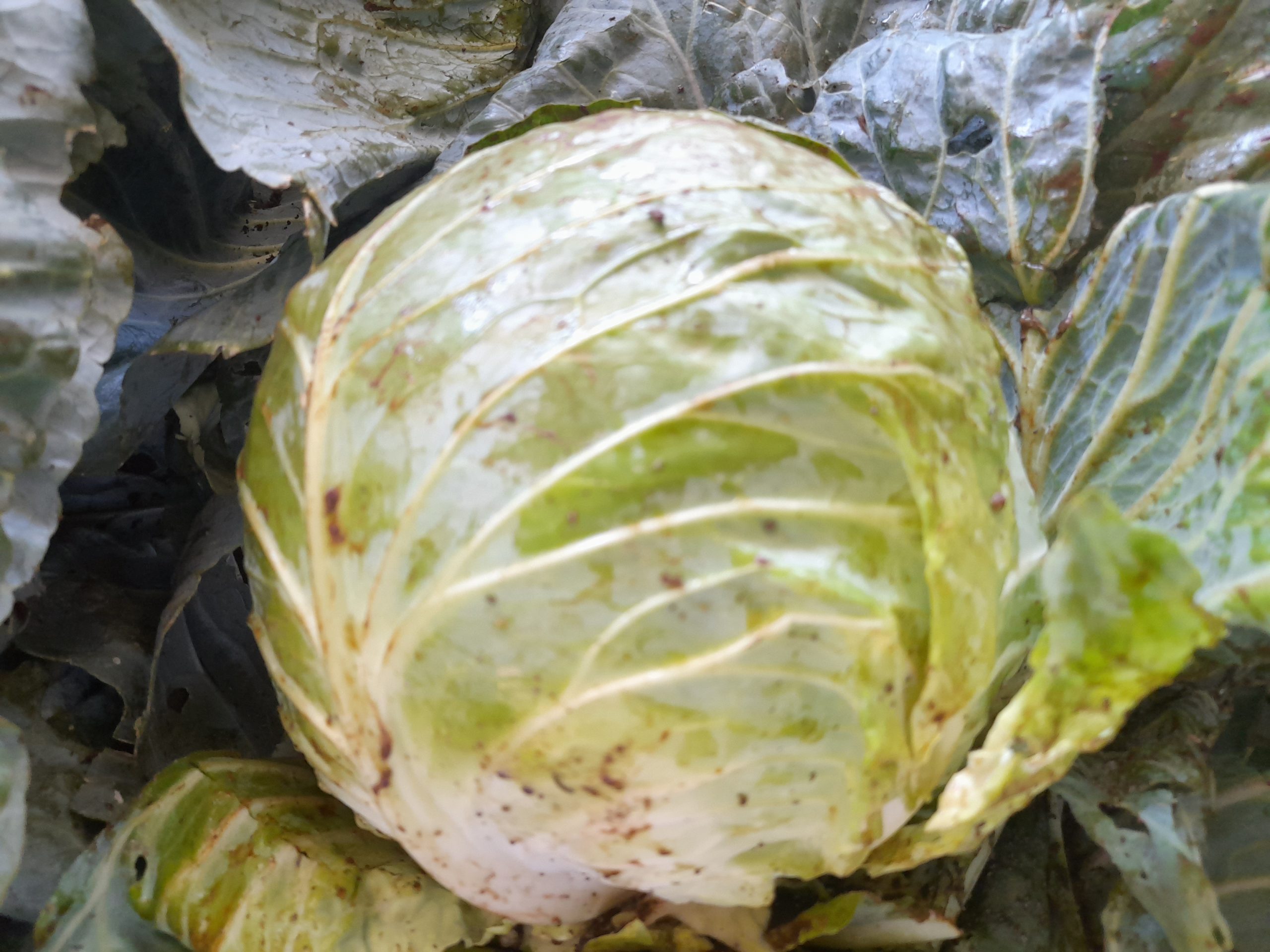
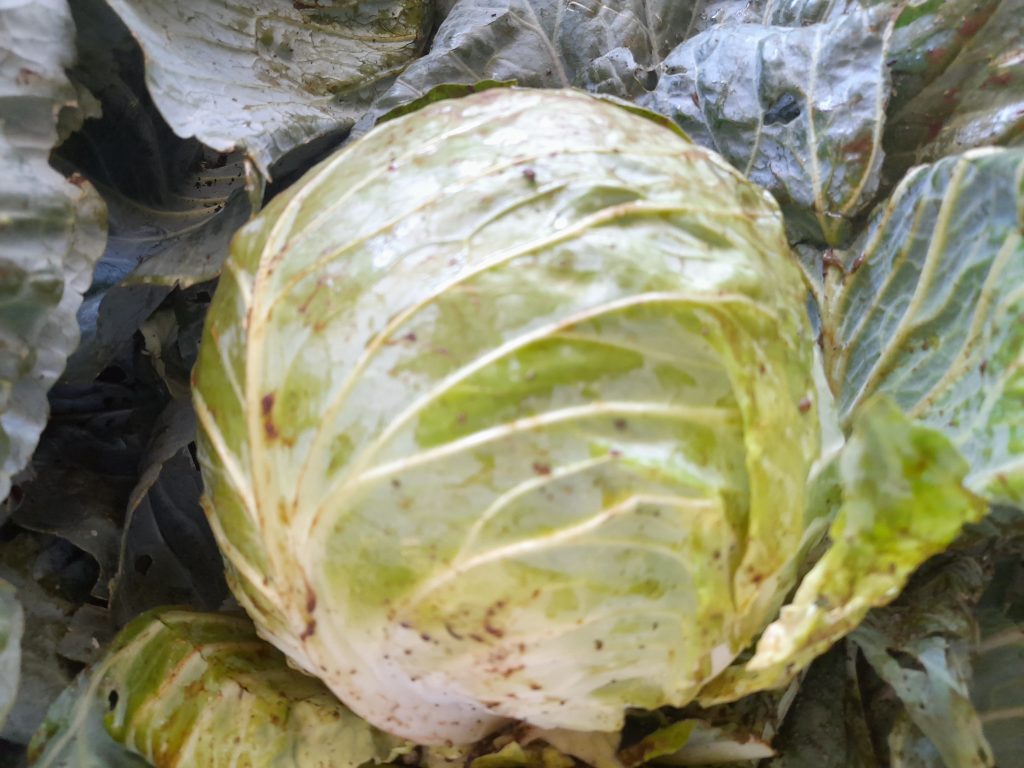
Cabbage is a cool-season brassica grown for its dense leafy head. It is a productive storage and kitchen crop, available in green, red, and savoy forms. The keys to success are choosing the right season and variety, maintaining steady growth, and protecting young plants from caterpillars and other brassica pests.
Crop identity
- Scientific name: Brassica oleracea Capitata Group
- Family: Brassicaceae (mustard family)
- Crop type: Cool-season leafy head vegetable
- Life cycle: Biennial by nature, generally grown as an annual for the head
- Edible portion: Compact head of overlapping leaves; outer leaves may also be used if sound
- Propagation: Seed, usually started in trays or direct-sown where the season allows
Types and variety selection
- Green cabbage: Versatile heads for fresh use, cooking, slaw, and storage.
- Red or purple cabbage: Colorful heads, often firm and useful fresh or cooked.
- Savoy cabbage: Crinkled, tender leaves and generally looser heads.
- Early varieties: Faster maturity and often smaller heads; useful for spring crops.
- Storage varieties: Selected for firm heads and keeping quality; commonly grown for fall harvest.
Match variety to the intended season, head size, days to maturity, disease resistance, and storage needs. Spring and fall varieties are not always interchangeable. Some cultivars resist splitting or bolting better than others, but good water management and timely harvest still matter.
Climate, light, and soil
- Season: Cool weather is best. Cabbage tolerates light frost after establishment, but prolonged heat can cause loose heads, poor growth, or bolting in susceptible varieties.
- Temperature: Strong growth is commonly associated with roughly 60–70°F (16–21°C); cultivar and developmental stage affect tolerance.
- Light: Full sun is preferred.
- Soil: Fertile, moisture-retentive but well-drained soil with organic matter. Brassicas generally perform best in slightly acidic to neutral soil.
- Water: Consistent moisture is essential for steady head development and reducing stress-related splitting.
When and how to plant
Cabbage is commonly grown as a spring or fall crop. Start spring transplants indoors several weeks before the intended planting date, or direct-sow where local conditions allow. For fall production, count backward from the expected first hard freeze using the variety’s days to maturity plus time for establishment. Hot weather during transplanting can stress young plants, so time the crop to grow through cooler conditions.
- Choose a variety for spring, summer, or fall production and for the desired head size.
- Start seed in clean mix and provide bright light; avoid leggy seedlings.
- Harden transplants gradually before setting them outside.
- Plant into fertile, prepared soil at the spacing recommended for the cultivar. Small varieties may be closer; large storage types need more room.
- Water in transplants and maintain even moisture while roots establish.
- Use insect netting or row cover early if cabbage worms, flea beetles, or other pests are common; secure edges and monitor beneath covers.
Spacing, fertility, and care
Head size and spacing are linked. Close spacing produces smaller heads; wider spacing allows larger heads and better airflow. A common home-garden range is roughly 12–24 inches between plants, depending on cultivar and desired size. Rows need enough room for cultivation and harvest access.
Cabbage is a relatively heavy feeder. Incorporate mature compost and use a soil test to guide nutrient amendments. Nitrogen is important during leaf and head development, but avoid excessive late applications. Maintain consistent moisture with drip irrigation or watering at soil level. Mulch can reduce moisture swings and weed pressure.
Pests, diseases, and common problems
Common pests include imported cabbageworm, cabbage looper, diamondback moth larvae, aphids, flea beetles, and cabbage root maggot in some regions. Inspect leaf undersides and growing points regularly. Floating row cover can exclude many adult insects if installed before pests reach plants. Diseases and disorders include clubroot, black rot, downy mildew, and splitting. Rotate brassica crops, use clean transplants, avoid working wet foliage, maintain drainage, and select resistant varieties where available.
Harvest, storage, and preservation
Harvest when heads are firm and have reached the expected size for the cultivar. Cut the head at the base with a sharp knife, leaving outer wrapper leaves as protection. Harvest promptly if heads begin splitting. Some varieties may produce small secondary heads from the remaining stem, but this is not guaranteed.
Keep harvested heads cool and humid for best storage. Remove damaged outer leaves and avoid storing wet, decaying heads. Cabbage can be fermented as sauerkraut using tested salt ratios and food-safety procedures, or frozen after appropriate preparation. Use tested recipes for shelf-stable preservation.
Growing in different spaces
Acreage and larger gardens
Use succession plantings and varieties matched to spring and fall windows. Plan for crop rotation away from other brassicas, irrigation uniformity, pest exclusion, and a harvest schedule. Storage cultivars can provide substantial fall production where the season is long enough.
Suburban beds
A few plants can produce useful heads, but they occupy bed space for months. Compact varieties are practical for small plots. Interplanting with fast crops is possible early, provided the cabbage is not crowded as it expands.
Containers and balconies
Choose compact varieties and use a large, stable container with drainage and enough root volume. One plant per substantial pot is a sensible starting point. Containers need close moisture monitoring and regular but measured feeding. Protect plants from wind and inspect frequently for caterpillars and aphids.
Indoor growing
Full cabbage heads are generally impractical indoors because plants need strong light, space, and a long cool growing period. Microgreens and young brassica leaves are much more suitable indoor crops.
Regional adaptation: match the crop to your conditions
There is no single national planting calendar. Use the crop’s days to maturity, local average frost dates, soil temperature, day length, seasonal rainfall, and expected heat or cold to plan sowing and harvest. Local Cooperative Extension guidance and cultivar-specific seed information should take precedence over broad regional rules.
- Northern and short-season climates: Favor appropriately early cultivars, start transplants when suitable for the crop, use succession planning carefully, and protect vulnerable plants from late spring or early fall cold.
- Temperate climates: Use spring and fall planting windows where the crop tolerates cool weather; stagger sowings when this extends harvest without exposing plants to unsuitable heat or cold.
- Hot and humid climates: Account for heat stress, high nighttime temperatures, humidity-related disease, and intense pest pressure. Favor locally proven cultivars, airflow, soil-level irrigation, and seasonal timing that avoids the harshest conditions.
- Hot and dry climates: Plan around water availability, rapid soil drying, high evaporative demand, and heat. Mulch, efficient irrigation, afternoon shade where appropriate, and locally adapted cultivars can improve reliability.
- Mediterranean climates: Mild wet seasons and dry summers may create different planting windows than continental climates. Time establishment around dependable moisture and avoid assuming summer conditions suit every crop.
- High-elevation sites: Treat elevation as a separate factor from latitude. Cold nights, shorter frost-free periods, intense sunlight, wind, slow spring soil warming, slope, and aspect can all affect performance; nearby lowland calendars may not apply.
- Subtropical and tropical climates: Heat, humidity, rainfall patterns, and sometimes day length can shift the best season. In some locations, a crop’s productive window may be the cooler or drier season rather than the local summer.
Before planting, compare the forecast and soil conditions with the crop’s actual requirements. Use frost dates as planning estimates, not guarantees, and adjust for your garden’s microclimate, drainage, exposure, and available protection.
Crop record at a glance
| Crop group | Cool-season brassica |
|---|---|
| Scientific name | Brassica oleracea Capitata Group |
| Planting method | Usually transplant; direct sowing also possible |
| Typical maturity | Often 60–100 days from transplant, depending on variety |
| Sun | Full sun |
| Spacing | Roughly 12–24 inches, cultivar and head-size dependent |
| Container suitability | Possible with compact varieties and large containers |
| Storage | Good for suitable storage cultivars under cool, humid conditions |
Sources and further reading
- University of Minnesota Extension: Growing Cabbage — planting, care, pests, and harvest.
- Utah State University Extension: Cabbage in the Garden — regional growing guidance.
- Colorado State University Extension: Colorado Vegetable Guide — regional vegetable production.
Editorial status: Foundational crop profile. Season, head size, spacing, and storage potential vary by cultivar and local climate.