
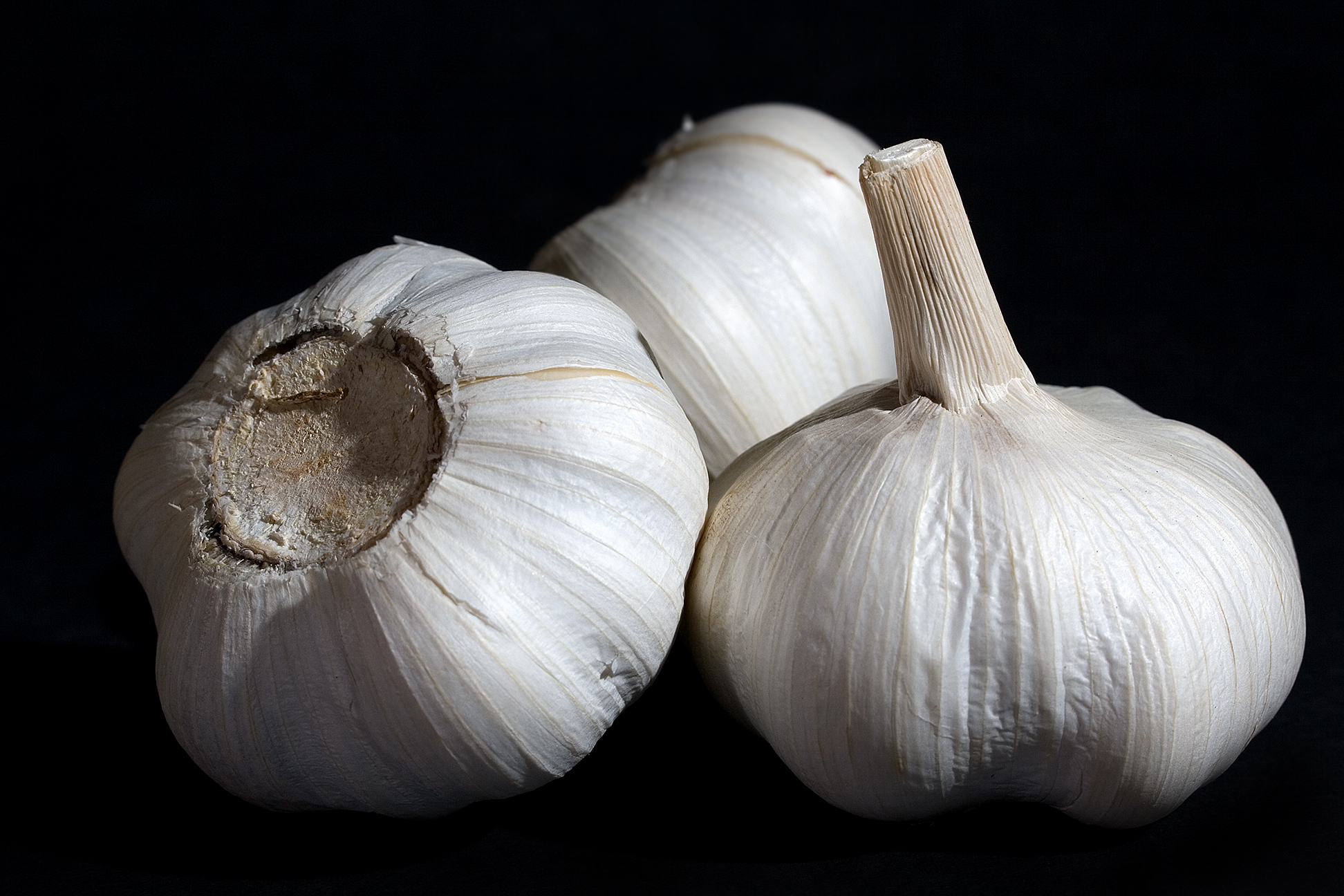
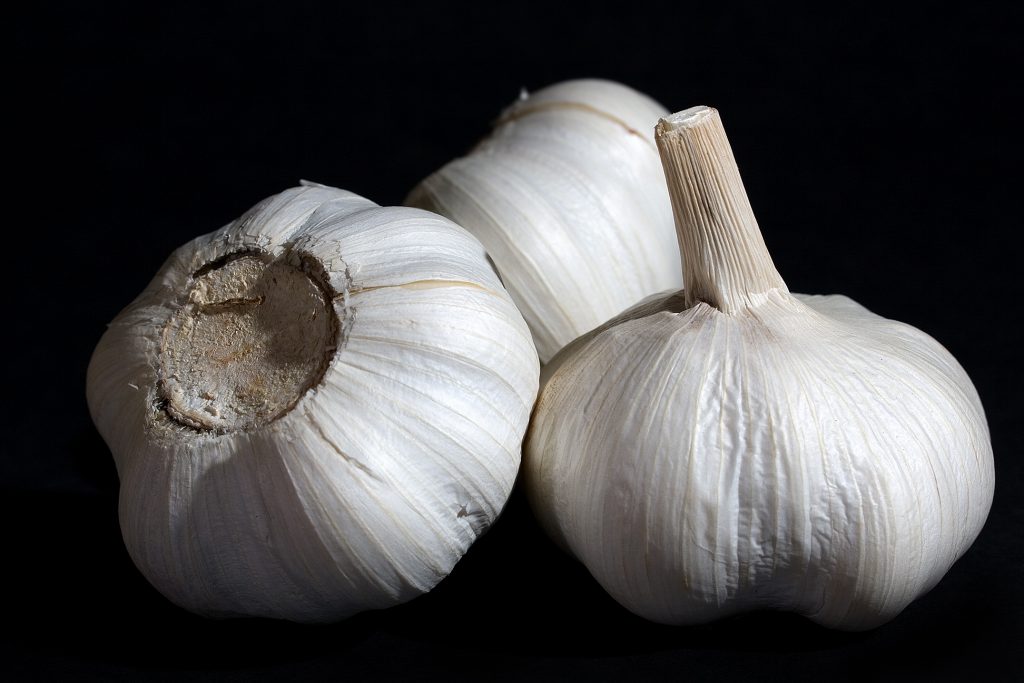
Garlic is one of the most rewarding crops to plant in autumn: each clove becomes a new bulb, and a relatively small bed can provide a useful harvest for months. Good results depend on healthy planting stock, a well-drained bed, appropriate fall timing, and harvesting before the bulb wrappers split.
Crop identity
- Common name: Garlic
- Scientific name: Allium sativum
- Family: Amaryllidaceae
- Crop group: Bulb vegetable / allium
- Life cycle: Perennial species usually grown as an annual crop
- Edible parts: Bulbs, cloves, leaves, and immature flower stalks (scapes) in hardneck types
- Propagation: Individual cloves; bulbils for some types and specialist propagation
Hardneck, softneck, and elephant garlic
- Hardneck garlic: Produces a stiff central flower stalk and usually fewer, larger cloves arranged around it. Often better adapted to cold-winter regions and produces edible scapes. Storage life is commonly shorter than softneck.
- Softneck garlic: Usually does not produce a stiff scape, has more cloves in multiple layers, and is commonly used for braiding. It often stores longer and is widely sold in grocery stores.
- Elephant garlic: A large, mild allium that is botanically closer to leek than true garlic. It has different growing and storage behavior and should not be confused with Allium sativum.
Choose planting stock suited to your winter climate and buy named, disease-free seed garlic from a reputable supplier. Grocery-store garlic may be poorly adapted to your region or carry diseases; it may also have been treated to discourage sprouting.
Climate, light, and soil
- Season: Fall planting is preferred in many temperate climates. Cloves establish roots before winter, resume growth in spring, and mature in summer. Spring planting is possible but often produces smaller bulbs, especially where cultivars require winter chilling.
- Light: Full sun, preferably 6–8 hours or more.
- Soil: Deep, fertile, loose, and well-drained. Garlic performs poorly in compacted or waterlogged ground.
- pH: Slightly acidic to neutral soil is generally suitable; use a soil test for amendments.
- Moisture: Maintain even moisture during active growth, then reduce watering as harvest approaches.
- Cold exposure: Many garlic cultivars need a period of cool conditions for normal bulb development. Variety choice matters in mild-winter climates.
Planting garlic
Separate the bulb into individual cloves shortly before planting. Keep the papery skins intact. Select the largest healthy cloves for planting; small cloves generally produce smaller bulbs. Plant each clove with its basal root plate down and pointed end up.
- Timing: Plant in fall, several weeks before the ground freezes, allowing roots to establish without producing excessive top growth. The exact date is regional; local Extension guidance should take precedence.
- Depth: Commonly 2–3 inches (5–7.5 cm) of soil above the clove, adjusted for climate and mulch strategy.
- Spacing: Often 4–6 inches (10–15 cm) between cloves and 12–18 inches (30–45 cm) between rows. Larger cultivars may need more room.
- Mulch: A layer of clean straw or shredded leaves can moderate soil temperature, reduce weeds, and protect against freeze-thaw heaving. Adjust mulch in spring for local conditions.
- Planting stock: Do not plant diseased, soft, moldy, or damaged cloves.
Care through the growing season
Garlic is not a strong competitor. Weed control and steady nutrition are important, especially in spring when foliage grows rapidly and bulbs are being formed.
- Water: Provide regular moisture during active growth. Avoid waterlogging. Reduce irrigation as leaves begin to yellow and harvest approaches.
- Fertility: Incorporate mature compost and use a soil test. Nitrogen is commonly supplied early in the season; late excess nitrogen can delay maturity. Follow local Extension recommendations.
- Weeding: Remove weeds early and shallowly. Garlic roots are relatively shallow and can be damaged by deep cultivation.
- Scapes: Hardneck plants produce curling flower stalks. Cut or snap them while tender and still curled if the goal is larger bulbs. Scapes are edible and can be used like a mild garlic-flavored green vegetable.
- Rotation: Avoid planting garlic after garlic, onions, leeks, or other alliums. A three- to four-year rotation is a useful general target, especially where disease has occurred.
Pests, diseases, and common problems
- White rot: A persistent soilborne disease of alliums. Use clean planting stock and never move contaminated soil or bulbs to new beds.
- Basal rot and storage rots: Can enter through damaged tissue or develop under warm, wet, poorly cured storage conditions. Handle gently and cure thoroughly.
- Bulb mites and nematodes: May cause stunting, distorted growth, and damaged bulbs. Use clean stock, rotation, and local diagnostic support.
- Thrips and leafminers: Can damage foliage and reduce plant vigor. Monitor leaves and use locally appropriate barriers or controls.
- Small bulbs: Often linked to small planting cloves, shade, crowding, poor fertility, weeds, inadequate winter chilling, or late planting.
- Split bulbs: Usually indicate harvest was delayed until wrappers deteriorated and cloves began separating.
Harvesting garlic
Harvest timing is critical. If lifted too early, bulbs are small and may not store well. If left too long, the protective wrappers break down and cloves separate. A common guide is to harvest when the lower leaves have browned but several upper leaves remain green. Many regional guides use roughly half the leaves browned as a starting signal; cultivar and climate change the timing.
- Test-dig one or two plants before lifting the whole crop.
- Loosen soil beneath the bulb with a fork or spade; do not pull hard on the stem.
- Lift carefully to avoid bruising or cutting the bulb.
- Brush off loose soil gently. Do not wash bulbs before curing.
- Keep tops and roots attached during the curing period.
Curing and storage
Cure garlic in a dry, shaded, well-ventilated place with good airflow. Avoid direct sun and damp sheds. Depending on humidity and airflow, curing often takes two to four weeks. The wrappers should become dry and papery and the roots should be dry before trimming and storage.
- After curing, trim roots and cut hardneck tops about an inch above the bulb; softneck tops can be braided if desired.
- Store in a cool, dry, dark, ventilated place. Avoid sealed plastic containers and high humidity.
- Softneck types often store longer than hardneck types, but cultivar, curing, and storage conditions matter.
- Keep the best healthy, well-formed bulbs aside as planting stock for the next season; do not replant bulbs from a diseased crop.
Growing in different spaces
Acreage and larger gardens
Garlic scales well to larger beds and small production plots. Use named cultivars, disease-free planting stock, consistent spacing, and a rotation plan. A ventilated curing shed or rack is essential when harvest volume grows. Record cultivar, planting date, clove size, harvest date, and storage performance to improve the next year’s selection.
Suburban backyard beds
A modest bed can produce a useful household supply. Plant cloves in autumn, mulch according to local practice, keep the bed weed-free in spring, harvest scapes if desired, and test-dig bulbs as lower leaves brown. Garlic is an excellent crop to place in a bed after summer vegetables have finished.
Containers and apartment growing
Garlic can be grown in a deep, wide container outdoors, but each clove needs enough room to form a bulb. Use a pot with drainage and at least 8–10 inches (20–25 cm) of usable soil depth; larger containers are better for full-size bulbs. Plant cloves at the recommended spacing, provide strong outdoor light, and protect the container from extreme freeze-thaw exposure. Indoor windowsills often provide insufficient light and poor seasonal cues for full-size bulbs, although garlic greens can be grown as a short-term cut-and-come-again crop.
Regional adaptation: match the crop to your conditions
There is no single national planting calendar. Use the crop’s days to maturity, local average frost dates, soil temperature, day length, seasonal rainfall, and expected heat or cold to plan sowing and harvest. Local Cooperative Extension guidance and cultivar-specific seed information should take precedence over broad regional rules.
- Northern and short-season climates: Favor appropriately early cultivars, start transplants when suitable for the crop, use succession planning carefully, and protect vulnerable plants from late spring or early fall cold.
- Temperate climates: Use spring and fall planting windows where the crop tolerates cool weather; stagger sowings when this extends harvest without exposing plants to unsuitable heat or cold.
- Hot and humid climates: Account for heat stress, high nighttime temperatures, humidity-related disease, and intense pest pressure. Favor locally proven cultivars, airflow, soil-level irrigation, and seasonal timing that avoids the harshest conditions.
- Hot and dry climates: Plan around water availability, rapid soil drying, high evaporative demand, and heat. Mulch, efficient irrigation, afternoon shade where appropriate, and locally adapted cultivars can improve reliability.
- Mediterranean climates: Mild wet seasons and dry summers may create different planting windows than continental climates. Time establishment around dependable moisture and avoid assuming summer conditions suit every crop.
- High-elevation sites: Treat elevation as a separate factor from latitude. Cold nights, shorter frost-free periods, intense sunlight, wind, slow spring soil warming, slope, and aspect can all affect performance; nearby lowland calendars may not apply.
- Subtropical and tropical climates: Heat, humidity, rainfall patterns, and sometimes day length can shift the best season. In some locations, a crop’s productive window may be the cooler or drier season rather than the local summer.
Before planting, compare the forecast and soil conditions with the crop’s actual requirements. Use frost dates as planning estimates, not guarantees, and adjust for your garden’s microclimate, drainage, exposure, and available protection.
Crop record summary
| Crop ID (provisional) | VEG-BULB-ALLIUM-SATIVUM |
|---|---|
| Primary method | Plant individual cloves |
| Typical planting season | Fall in temperate climates |
| Light | Full sun |
| Soil | Fertile, loose, well-drained |
| Typical depth | 2–3 in (5–7.5 cm), region dependent |
| Typical spacing | 4–6 in (10–15 cm) between cloves |
| Harvest indicator | Lower leaves brown while several upper leaves remain green |
| Container suitability | Good outdoors with adequate depth, spacing, and light |
| Storage | Fully cured; cool, dry, dark, ventilated |
References and further reading
- University of Maryland Extension — Growing Garlic in a Home Garden.
- University of Illinois Extension — Garlic.
- Utah State University Extension — How to Grow Garlic in Your Garden.
- Penn State Extension — Growing Garlic: Fall Planting.
- Colorado State University Extension, Tri River Area — Fall Planting: Garlic in Western Colorado.
- Washington State University Extension — Growing Garlic in Home Gardens.
Editorial note: Planting dates, winter chilling needs, harvest timing, and storage life vary by cultivar and region. Use local Cooperative Extension guidance and the seed supplier’s regional recommendations.